
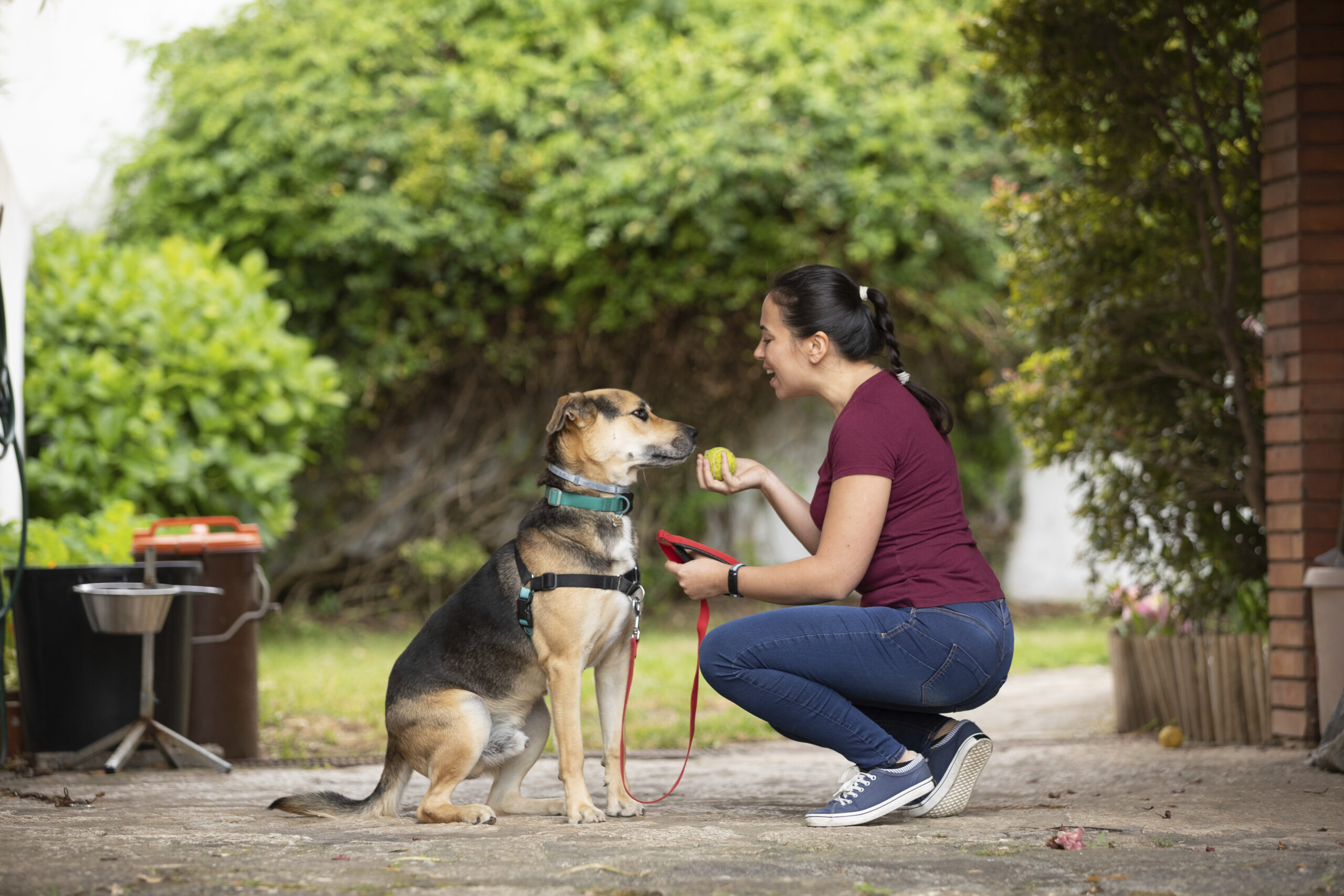
You know that moment when your dog locks eyes with another dog and you instantly feel your stomach drop? Maybe your pup stiffens, growls, or lunges. Maybe people at the dog park give you that look — the “control your dog” look.
Yeah, it stings.
And it’s scary.
But here’s the truth most people won’t tell you: aggressive dogs aren’t “bad dogs.” They’re overwhelmed dogs. Confused dogs. Dogs who’ve learned the only way to feel safe is to go on offense.
If you’re searching for dog aggression training near me in Racine, Milwaukee, or Mequon, you’re already doing the brave thing — taking action before things escalate.
This guide walks you through 5 proven, professional-level steps to help your dog calm down, build confidence, and trust you more deeply. It’s packed with real-life tips, a few laughs, and a whole lot of clarity.
Let’s make life easier for both you and your pup.
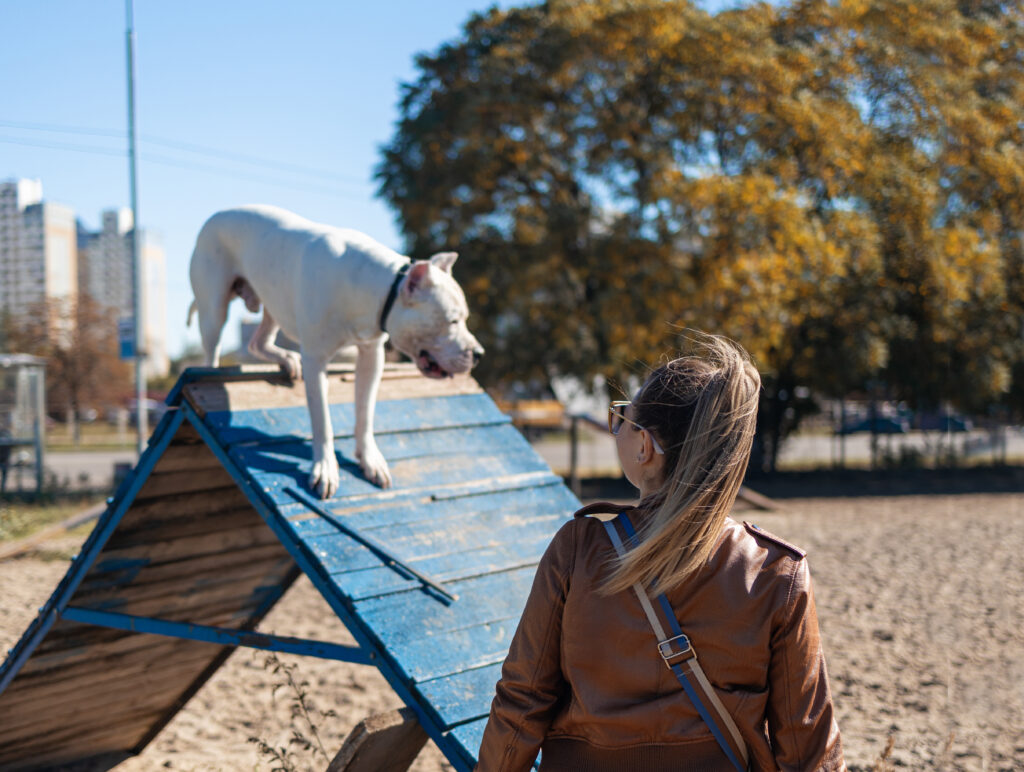
Why Dogs Become Aggressive (Real Reasons, Not Judgy Myths)
Aggression is almost always a symptom — not a personality trait.
Some common causes:
| Cause | What It Looks Like | Why It Matters |
| Fear | cowering, growling, sudden barking | Fear-based aggression is the #1 reason dogs lash out |
| Poor socialization | reacts intensely to strangers or dogs | Missing early experiences impacts adult behavior |
| Pain or medical issues | snappy reactions when touched | Always rule out medical problems |
| Protective tendencies | barking at visitors, guarding owners | Dogs confuse “alert” with “attack mode” |
| Past trauma | unpredictable explosions | Old fears show up as new aggression |
And then there’s the most overlooked trigger:
Owner stress.
Yep — your dog reads your tension like a book.
But don’t worry. That also means you can help reset their behavior faster than you think.
Step 1 — Get the Right Assessment for “Dog Aggression Training Near Me”
Here’s where things get real.
Aggression isn’t a one-size-fits-all issue. A proper assessment is like a roadmap — you can’t follow the right route if you don’t know where you’re starting.
What a good trainer will evaluate:
- What type of aggression is it? (Fear, territorial, leash reactivity, resource guarding, etc.)
- When does it happen?
- What triggers it?
- What does your dog look like 10 seconds before they explode?
- What does recovery look like?
If you’re in Racine, Milwaukee, or Mequon, a great starting point is to work with professionals who specialize in behavioral modification.
Check out Pet-U’s experienced trainers who excel at working with aggressive and reactive dogs:
https://pet-u.net/
Their trainers blend credentials, empathy, and real-world success — and trust me, empathy matters when you’ve got a dog who’s struggling emotionally.
Step 2 — Create a Trigger Map (Your New Secret Weapon)
When I started mapping my own reactive dog’s triggers a few years ago, I felt like I was journaling for a dramatic toddler — if a toddler weighed 60 pounds and had teeth.
But wow… did it help.
A trigger map helps you predict aggression before it happens.
Build it using three columns:
| Trigger | Dog’s Warning Signs | My Response |
| Other dogs within 10 ft | stiff posture, low growl | Move across the street calmly |
| Men wearing hats | backing up, barking | Increase distance + cue “Watch me” |
| Doorbell | sprints, barks nonstop | Use pre-taught “Place” command |
You can use a notebook, your phone, or a fridge whiteboard. Doesn’t matter.
What matters is this:
You cannot train what you don’t track.
If you google “dog aggression training near me,” most high-quality behaviorists will ask you for a trigger list during your first session.
It speeds up training like crazy.
Step 3 — Use De-escalation Commands (Your Dog’s Emotional Brake Pedal)
Think of this step as teaching your dog to switch off their internal alarm system.
These commands calm a dog before their brain hits panic mode.
Top Commands for Aggression Cases
- Watch Me — breaks eye contact with triggers
- Leave It — stops fixation
- Let’s Go — turns their body away
- Place — sends them to a safe, calm spot
- Sit / Down — basic obedience that interrupts escalation
How it feels in real life:
You see another dog coming.
Your dog starts stiffening.
Your heartbeat spikes — naturally.
But now you have tools:
“Watch me.”
Your dog flicks eyes back at you.
You reward.
You both breathe.
Is it magic? No.
Is it powerful? Absolutely.
Step 4 — Controlled Exposure (The Part Everyone Does Wrong)
Most dogs don’t need more exposure.
They need better exposure.
People often try to “socialize” aggressive dogs by throwing them into busy dog parks or chaotic sidewalks.
That’s like teaching someone to swim by tossing them in the ocean at midnight.
The Right Approach:
Controlled.
Predictable.
Slow.
Boring, even.
Use distance — lots of it at first.
If your dog reacts at 20 feet, train at 40 feet.
The Distance-to-Reaction Rule
| Reaction Level | What It Means | What You Do |
| 0/10 | relaxed | reward heavily |
| 3/10 | alert but listening | cue commands |
| 7/10 | stiff, pulling | increase distance |
| 10/10 | lunging, barking | retreat + reset |
A good trainer will do all this for you, guiding you through each exposure so you don’t accidentally push your dog beyond their limits.
If you’re near Racine, Milwaukee, or Mequon, look for local trainers who use positive reinforcement and counter-conditioning — not punishment.
Punishment makes aggression worse.
Need a trusted place to start?
PetU in Racine is known for structured environment training and safe dog interactions:
https://pet-u.net/
Step 5 — Reinforcement Routines (The Daily Habits That Fix Everything)
Aggression training isn’t really about “big training sessions.”
It’s about the hundreds of micro-moments you don’t even notice.
Tiny wins → big breakthroughs.
Daily Habits That Transform Aggressive Dogs
- Reward calm behavior often
- Keep predictable routines
- Use clear boundaries
- Reinforce desired behavior immediately
- Tire your dog mentally (sniff walks, puzzle toys, nose work)
- Build confidence through small challenges
Simple Routine Example
| Time | Action |
| Morning | 10-min structured walk + calm command practice |
| Afternoon | Sniff walk or puzzle toys |
| Evening | Controlled exposure (just one trigger at a safe distance) |
| Night | Chill time + safe chew |
Aggressive dogs don’t need tougher love.
They need consistent love.
And yes, some days you’ll feel frustrated. That’s normal.
But trust me — you’ll feel the shift.
That moment your dog looks at a trigger and then chooses you instead?
It’s emotional. You might cry. I did.
How to Choose the Best “Dog Aggression Training Near Me” in Racine, Milwaukee & Mequon
Look for these non-negotiables:
✔ Certified Trainers
CPDT-KA, IAABC, or extensive behavioral experience.
✔ Experience With Aggressive/Reactive Dogs
A trainer who only teaches puppy manners won’t cut it.
✔ Positive Reinforcement
Science-backed. Fear-free. Effective.
✔ Transparent Training Plans
No mystery “boot camps” where you don’t know what’s happening.
✔ Facilities Designed for Safety
Indoor and outdoor training spaces, separate rooms, and controlled setups.
✔ Real Testimonials
Especially from owners with aggressive or reactive dogs.
PetU, for example, is well-known across Racine for building calm, confident dogs through structured training, balanced energy, and safe socialization.
When Should You Seek Professional Aggression Training?
If you’re seeing any of these signs, don’t wait:
- Unpredictable growling
- Snapping — even air snapping
- Lunging at dogs or people
- Resource guarding (toys, food, people)
- Biting or attempted biting
- Intense leash reactivity
- Anxiety-based barking with body stiffness
Professional help isn’t a last resort.
It’s the smartest first step.
Here are a few helpful sections from PetU that complement this guide:
- Dog Training Programs: https://pet-u.net/
- Dog Boarding & Daycare: https://pet-u.net/
- Meet the Trainers: https://pet-u.net/
Useful (Authoritative Sources)
- American Kennel Club on Aggression: https://www.akc.org/expert-advice/
- ASPCA Behavior Resources: https://www.aspca.org/pet-care/dog-care/dog-behavior
- IAABC Professional Training Standards: https://m.iaabc.org/
FAQs About Dog Aggression Training Near Me
1. Can aggressive dogs really be trained?
Absolutely. Aggression is a behavior, not a personality. With structured training, most dogs improve dramatically.
2. How long does aggression training take?
Anywhere from 4–12 weeks for noticeable improvements. Severe cases take longer, but early progress often shows fast.
3. Is punishment effective for aggressive dogs?
No — it increases fear and escalates aggression. Stick to positive reinforcement and behavior modification.
4. Can my dog still be social after aggression training?
Yes, but safely and gradually. Socialization doesn’t mean dog parks — it means controlled, positive experiences.
5. Should I avoid triggers completely?
Not forever. Avoid them while you build skills. Later, controlled exposure helps your dog relearn responses.
6. Is “dog aggression training near me” expensive?
It depends on your city, trainer experience, and program type. In Racine, Milwaukee, and Mequon, expect competitive pricing with high-value programs from reputable trainers like PetU.
7. Do aggressive dogs need medication?
Sometimes. Vets may recommend short-term meds to help training work better. But it’s case-by-case.
Final Thoughts — You’ve Totally Got This
If you’re searching for dog aggression training near me, it means you’re trying — and that already puts you ahead of most pet parents.
Aggression isn’t a moral failing. It’s a communication issue.
And with the right tools, the right support, and a bit of patience (okay, sometimes a lot), your dog can learn new, calmer, happier patterns.
You don’t have to do it alone.
Especially if you’re in Racine, Milwaukee, or Mequon — you have solid options right nearby.
Start here with trusted local professionals:
https://pet-u.net/Your dog isn’t broken.
They’re learning.
And you’re exactly the person they need while they do.
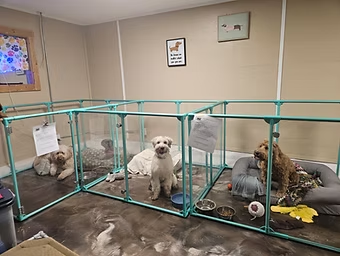
Aggressive Dog Training: What Actually Works (And What to Avoid)
Searching for a trusted doggy daycare near me Give your pet a fun safe and caring environment with supervised playtime socialization and proper care throughout
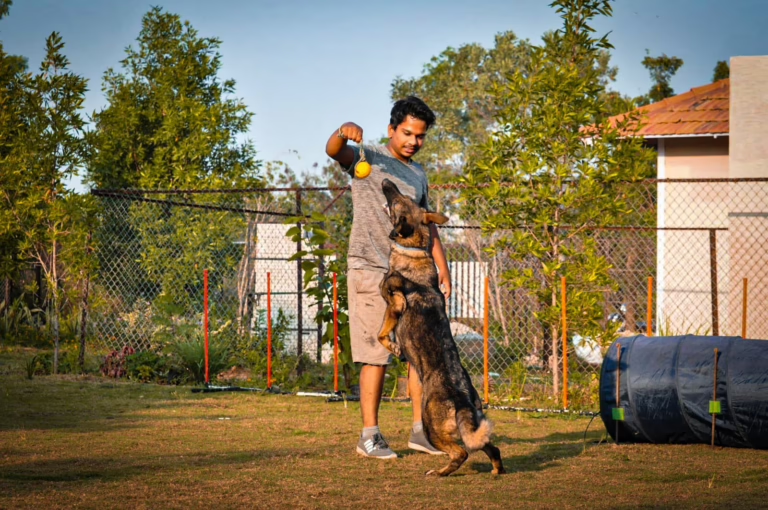
Dog Training Near Me: What Local Trainers Should Really Offer Your Dog
Searching for dog training near me Our expert trainers provide personalized obedience training puppy training and behavior correction programs to help your dog become well
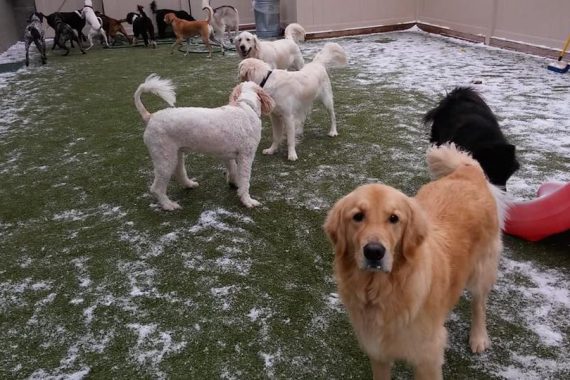
Dog Daycare and Boarding Near Me: One Solution for Busy Pet Parents
Searching for reliable dog daycare and boarding near me We offer safe supervised daycare and comfortable overnight boarding so your pet stays happy healthy and