

Signing up for dog training classes in Mequon can feel a little overwhelming, especially if it’s your first time. You’re not just looking for “sit” and “stay.” You want something that works in real life… and doesn’t feel like a waste of time or money.
We’ve pulled together 5 of the most common questions parents ask before committing to a class. These are the real, everyday concerns, not the fluffy stuff.
What Age Should My Dog Start Training Classes?
Honestly? Sooner than most people think.
Whether you’ve got a wiggly 10-week-old pup or a 4-year-old rescue, training can and should start as early as possible. But that doesn’t mean it’s ever too late.
Here’s a quick guide:
| Age Range | Class Type | Focus |
| 8–16 weeks | Puppy socials or intro classes | Socialization, potty training, and confidence building |
| 4–12 months | Basic obedience | Impulse control, leash manners, basic commands |
| 1 year+ | Adult classes or private training | Behavior shaping, reactivity, leash issues, and advanced focus |
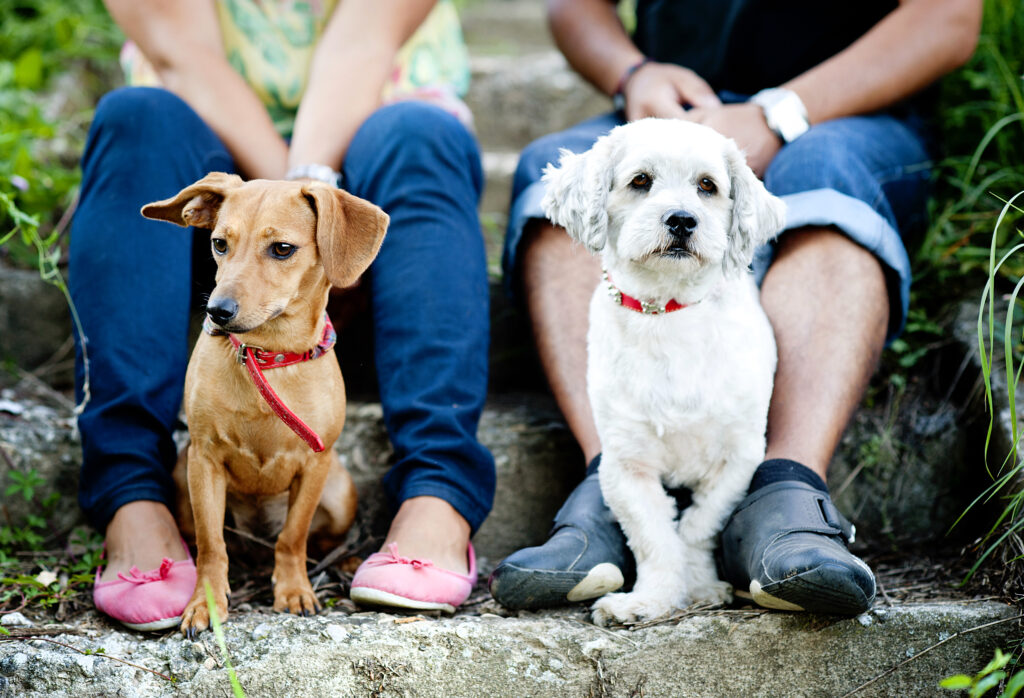
Tip: The critical window for socializing puppies is between 8 and 16 weeks. Even one well-run puppy class during this time can make a huge difference in how your dog handles the world as an adult.
And if your dog’s older? No big deal. Adult dogs can absolutely learn new behaviors, it just may take a little more consistency and patience.
What If My Dog Is the Wild One? (You Know the One…)
Most dog parents worry their dog will be “the worst in class.” But guess what? Training classes are designed for dogs who aren’t perfect yet. That’s the whole point.
Classes often have a mix of personalities from shy rescues to high-energy puppies, and good trainers will adapt the session so every dog (and human) can succeed.
Here’s what to look for:
- Class sizes that aren’t too large (so dogs have space)
- Trainers who create structure, not chaos
- A calm, encouraging vibe that doesn’t shame struggling dogs
If your dog needs a little extra support (like fear-reactivity or a history of aggression), ask in advance; some programs offer private sessions or slower-paced classes.
Can My Child Come to Class With Me?
This depends on the class and your child.
Some training classes in Mequon allow kids, especially if they’re calm observers or older children interested in learning how to handle the dog. Others may prefer adults only, especially in beginner classes where focus and safety are key.
Good signs your child is ready to attend:
- They’re able to sit still and follow instructions
- They understand dogs aren’t always predictable
- They’re not afraid of barking, growling, or excitable behavior
Pro tip: Try going solo for the first session or two. Once you’ve seen the class environment and expectations, it’s easier to decide if it’s a good fit for your kid.
How Long Until We Start Seeing Results?
It depends on your dog, your consistency at home, and how often you practice outside class.
Here’s a rough timeline most families experience:
| Week | What to Expect |
| 1–2 | Learning communication basics and how to “speak dog” |
| 3–4 | More reliability with basic commands, especially at home |
| 5–6 | Real-world application, distractions, outdoor walks, and impulse control |
Some dogs improve faster, some need more time. There’s no “magic number,” but if you’re practicing daily, even 10 minutes at a time, you’ll usually see progress by Week 3.
You’re Asking the Right Questions
If you’re researching dog training classes in Mequon and asking thoughtful questions, you’re already ahead of the game. You care. And you’re trying to set your dog (and your family) up for success.
Training takes patience. Some sweat. Maybe a few chewed-up shoes. But it pays off in confidence, better behavior, and a stronger bond with your pup.
Looking for a local program that blends real-world training, behavior support, and family-friendly flexibility?
PetU offers dog training classes in Mequon with balanced methods and a whole lot of understanding for both dogs and their humans.
Contact Us Today! You don’t need to be perfect. Just willing to start.
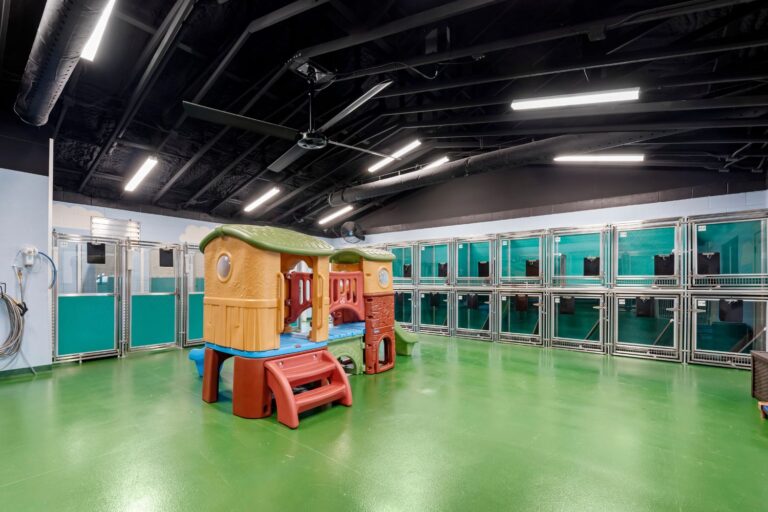
How PetU Combines Daycare, Boarding & Training for a Happy, Balanced Dog
PetU provides safe and structured daycare boarding 038 training solutions designed to keep pets active engaged and well mannered Our expert trainers focus on positive
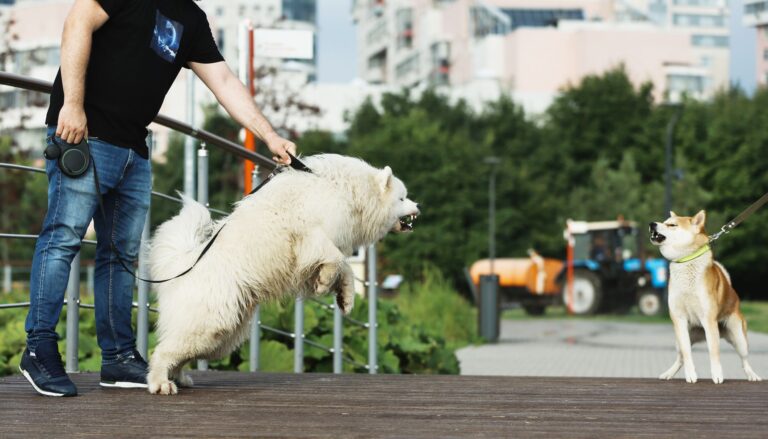
Training for Reactive Dogs Near You: Calm Walks Start with PetU
If you re searching for effective training for reactive dogs near me PetU provides structured programs designed to reduce reactivity and improve confidence obedience and
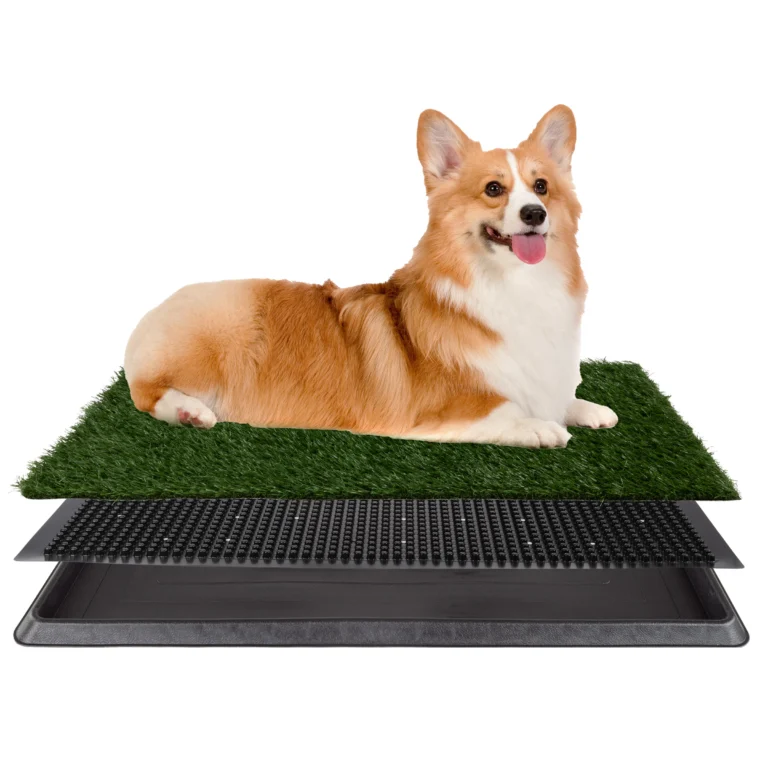
Puppy Potty Training Classes: The Secret to a Well-Behaved Pup
PetU offers expert puppy potty training classes designed for quick results and stress free habits Our trainers use positive reinforcement to help pups learn clean