

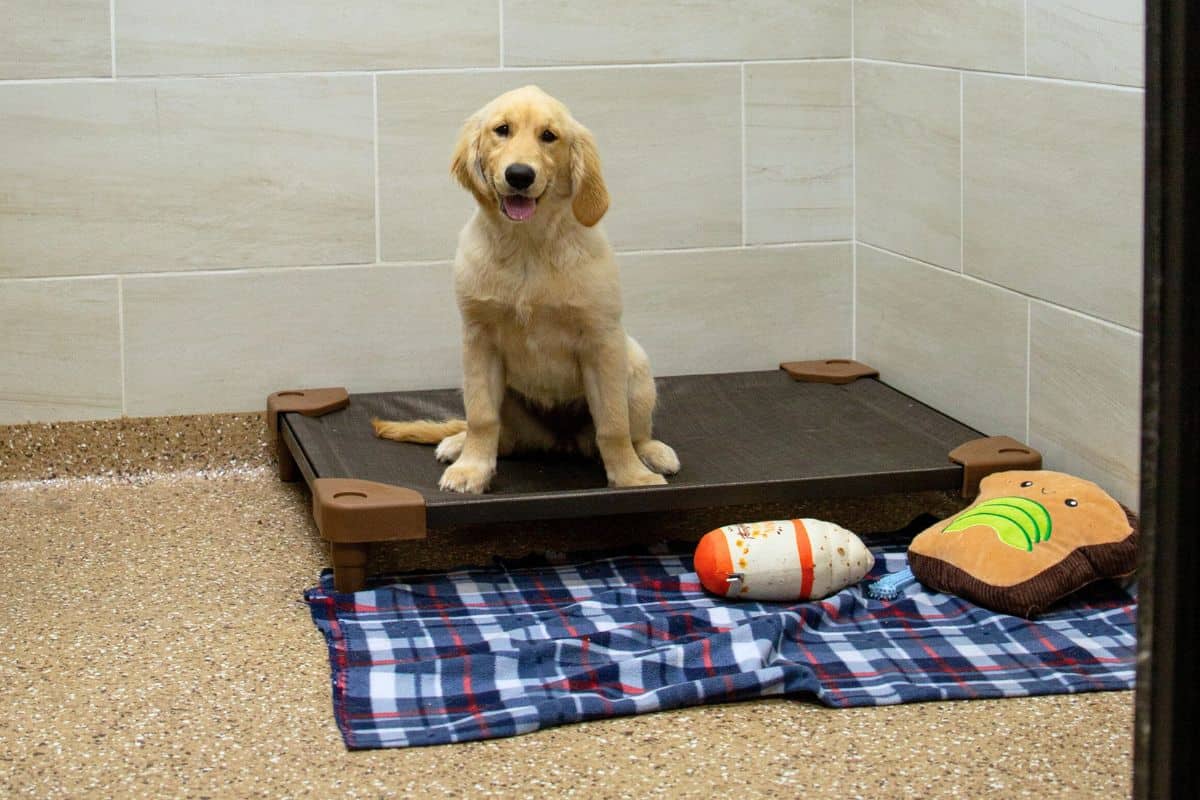
If you’re typing dog boarding near me into Google at 11:47 PM the night before a work trip, I get it. I’ve been there. That knot-in-the-stomach feeling when you imagine your dog staring out the window wondering why you abandoned them for cheaper airline tickets. We love our dogs like family, so dumping them just anywhere is out of the question.
But here’s the truth: good dog boarding spots exist. Safe, clean, trustworthy ones where your dog is spoiled more than you. The problem? Finding them without losing your mind.
So let’s slow down, take a breath, and break down how to pick a boarding place you’ll actually feel good about.

Why Choosing the Right Dog Boarding Matters
I had a neighbor who casually dropped her dachshund at a random “budget” boarder. Forty-eight hours later she came back to a stressed dog, a GI issue, and a bill for meds. Ever since, she checks boarding spots like she’s buying a car. And honestly? She’s not wrong.
Choosing the right dog boarding provider matters because:
- Dogs get stressed easily in unfamiliar spaces
- Cleanliness actually affects dog health
- Staff handling can make or break the experience
- Routine and socialization matter more than people think
A kennel that smells like bleach and panic? Hard pass.
A facility with naps, playtime, and structured feeding? Sign me up (well, sign my dog up).
Dog Boarding vs Pet Sitters vs Dog Hotels
Before you Google dog boarding near me again, you should know your options. Dog boarding isn’t the only choice—just the most structured.
Here’s a no-fluff comparison:
| Type | What It Is | Pros | Cons |
| Traditional Boarding | Kennel-like environment, individual runs | Affordable, reliable supervision | Less personal attention, louder atmosphere |
| Pet Sitters (Home Visits) | Sitter checks in at your house | Dog stays in their environment, less stress | Less supervision, inconsistent schedules |
| Dog Hotels | Luxury boarding with enrichment | Tons of playtime, webcams, treats | Pricier, may require temperament tests |
| In-Home Boarding | Your dog stays at sitter’s home | Homely environment, socialization | Limited availability, quality varies |
A lot of owners don’t realize how sensitive dogs are to routine. Some thrive in group play, others want their own bubble. Knowing your dog’s vibe helps narrow things down.
Signs a Dog Boarding Facility Is Legit (and Not a Horror Show)
I visited a “dog resort” once that looked amazing online—marble floors, gold trim, slick branding. Then I walked in. The dog area smelled faintly rotten, the floor felt sticky, and a terrier gave me side-eye like he was being held for ransom. Hard nope.
Here’s what actually matters during your visit:
1. Cleanliness (Obviously)
Clean doesn’t mean sterile. It just means fresh bedding, clean bowls, minimal poop smells, and tidy floors. If you smell ammonia or see dirty crates, leave.
2. Ventilation & Air Quality
Bad airflow = bacteria + stress.
3. Staff Who Know Dogs
Ask a couple questions like:
- “What’s your protocol for nervous dogs?”
- “How many play sessions do you run daily?”
If they shrug or give vague answers, that’s a tell.
4. Play & Rest Balance
Dogs aren’t toddlers. Too much play = overstimulation. Good facilities balance naps and social time.
5. Vaccination Requirements
If they don’t ask for vaccines, it means they’re not protecting anyone.
What a Solid Boarding Spot Should Ask For:
- Rabies
- DHPP (Distemper combo)
- Bordetella (Kennel cough)
Anything less is sketchy.
Typing “Dog Boarding Near Me”? Do This Before Booking
Most people hit call after the first result. But here’s a smarter workflow:
Step 1: Check Google Reviews (but read between the lines)
If the only reviews mention “good price” and not “my dog was happy,” that’s a flag. Look for:
- Mentions of staff friendliness
- Dogs being excited to return
- Clean facility comments
Look for complaints about diarrhea, aggression issues, or neglect.
Step 2: Check their Website & Photos
Some great places have ugly websites. But facilities should show:
- Actual play yards
- Real dogs (not stock pics)
- Sleeping areas
Photos tell stories. Loud walls, tiny crates, or no outdoor space? Not ideal.
Step 3: Schedule a Tour
Never feel bad asking for a tour. Reputable places encourage it.
Ask to see:
- Sleep areas
- Play yards
- Feeding/storage areas
If they say “we don’t allow tours,” ask why. Sometimes it’s for safety (fair), but sometimes it’s because you’d faint at the smell.
Step 4: Ask About Behavioral and Health Policies
Good questions include:
- “What do you do if a dog gets sick?”
- “How do you handle dog conflicts?”
- “Do dogs get evaluated before group play?”
The way they answer matters more than what they answer.
What to Pack for Boarding (Don’t Overdo It)
People pack for dogs like they’re sending them to college dorms. Trust me, your dog doesn’t need six blankets and three framed photos of you.
Pack this:
- Food (pre-measured if possible)
- Treats (if facility allows)
- Medication (with instructions)
- Comfort item (one blanket or toy)
- Emergency contact info
- Vet information
Avoid packing:
- Huge beds
- Rope toys (choking hazard in group areas)
- Costly gear (if it gets damaged, well…)
A lot of boarding places will ask you to label everything. Do it. Otherwise, your dog’s favorite toy will mysteriously become everyone’s “favorite toy.”
The Cost of Dog Boarding (and What You Get for the Money)
People are always stunned at how pricey dog boarding can get. But here’s a rough ballpark:
| Boarding Type | Average Cost Per Night |
| Basic Kennel Boarding | $25 – $45 |
| Dog Hotel | $50 – $120 |
| Luxury Suites | $120 – $200+ |
| In-Home Boarding | $40 – $70 |
| Pet Sitter Visits | $20 – $35 per visit |
Prices vary by city, services, dog size, and temperament needs. If your dog has “main character energy” and needs constant attention, it costs more. Fair.
Warning Signs: Places to Avoid at All Costs
Sadly, there are some genuinely bad actors in the boarding world. Avoid facilities that:
- Ignore vaccination requirements
- Have no visible staff during tours
- Refuse to answer behavior-related questions
- Have high dog-to-staff ratios
- Use outdated punishment methods
- Won’t let you view sleeping areas
- Have no emergency protocols
A quick little anecdote: I once visited a place where dogs slept directly on concrete in winter. When I asked about bedding, the staff said, “They get used to it.” No, sir, they do not get used to it. Dogs are not polar bears.
How to Make Boarding Less Stressful for Your Dog
Boarding is like sleepaway camp—fun for some kids, terrifying for others.
Here’s what helps:
1. Do Trial Runs
Try a one-night stay first. It teaches your dog that boarding is temporary.
2. Don’t Make Drop-Off Emotional
If you make it dramatic, your dog picks up the vibe. Keep it boring and quick.
3. Communicate Feeding and Behavior Details
Tell staff everything. Even weird quirks matter.
Example:
- “He guards toys”
- “She’s scared of loud bangs”
- “He eats slow or chokes on kibble”
4. Keep the Return Low-Key
Jumping around and crying at pickup teaches anxiety. Act cool. Your dog will chill too.
The Role of Daycare and Enrichment
Some boarding spots also offer dog daycare. This is gold if your dog is social. Playtime burns energy and reduces stress.
Enrichment activities many top facilities offer:
- Scent work
- Puzzle toys
- Agility courses
- Structured play sessions
- Comfort breaks with staff
One facility I toured even had story-time sessions for anxious dogs. Did it feel extra? Yes. Did the anxious dogs love it? Also yes.
When Dog Boarding Near Me Isn’t the Right Solution
Some dogs just can’t board. It happens. Signs include:
- Extreme separation anxiety
- History of aggression
- Health complications
- Senior dogs with mobility issues
For those cases, alternatives include:
- Vet boarding (for medical needs)
- In-home sitters
- Family/friend care
Boarding isn’t one-size-fits-all, and that’s okay.
Example Checklist for Evaluating a Facility
Here’s a clean, printable-style checklist:
Facility & Cleanliness
- Floors clean?
- No overwhelming odor?
- Fresh water visible?
- Clean sleeping areas?
Safety & Staff
- Secure fencing?
- Vaccination required?
- Staff-to-dog ratio reasonable?
- Staff trained in canine behavior?
- Emergency vet on-call?
Daily Routine
- Feeding schedule posted?
- Play/rest times balanced?
- Individual exercise available?
Health Policies
- Medication handling documented?
- Sick dog isolation room?
- Injury reporting system?
Use it. It saves headaches.
Don’t Forget Local Regulations
Some areas require boarding licenses or inspections. Quick check:
- Municipal government site
- Animal services department
External resources you can check:
- American Kennel Club
- PetMD
- Veterinary Partner
These are reliable sources for health and behavior info without falling into opinion rabbit holes.
Digital Tools to Find “Dog Boarding Near Me”
Don’t sleep on tech. There are platforms that list verified boarders with reviews:
- Rover
- Wag
- BringFido
- PetBacker
Map reviews + filters = better decisions.
Internal Example: Where to Learn More or Book Services
If you’re looking for professional dog daycare, boarding, or training services, you can check options like those offered by PetU on their website at PetU where you’ll find details about daycare routines, training styles, and care standards. Visiting actual provider websites gives you real-world expectations beyond what reviews show.
Use multiple sources. Cross-check. Your dog is worth it.
FAQs
What is dog boarding?
Dog boarding is a service where dogs stay overnight at a facility or sitter’s home with scheduled feeding, exercise, and care.
How do I find trusted dog boarding near me?
Search local directories, read reviews, tour facilities, verify vaccination policies, and ask about staff training.
How much does dog boarding usually cost?
Basic boarding ranges from about $25 to $45 per night, with luxury options easily crossing $120 per night depending on city and services.
Is boarding safe for dogs?
Yes, when done at reputable facilities with vaccination rules, trained staff, and clean environments. Vet boarding is recommended for medical cases.
How do I reduce my dog’s boarding stress?
Do trial stays, pack familiar items, avoid emotional drop-offs, and communicate quirks and feeding needs to staff.
What vaccines are required for boarding?
Most places require Rabies, DHPP, and Bordetella. Some require Canine Influenza too.
Final Thoughts: Trust Your Gut and Your Dog’s Tail
Picking a boarding place feels like matchmaking. You’re looking for safety, chemistry, and structure—not a fancy chandelier in the lobby. Trust the vibes you get during a tour. Watch how your dog reacts. And remember: the staff matters more than the building.
If you’re still mid-search for dog boarding near me, that’s fine. Bookmark a few places, visit them, ask too many questions, and don’t feel guilty about it. Your dog deserves the same thought you’d put into choosing a babysitter.
And hey, when you finally find the right spot and your dog sprints toward the entrance next time with a wagging tail, that’s when you know you nailed it.
If you want help creating a shortlist of boarding providers in your area, tell me your city and your dog’s personality. I’ll help you narrow it down.