
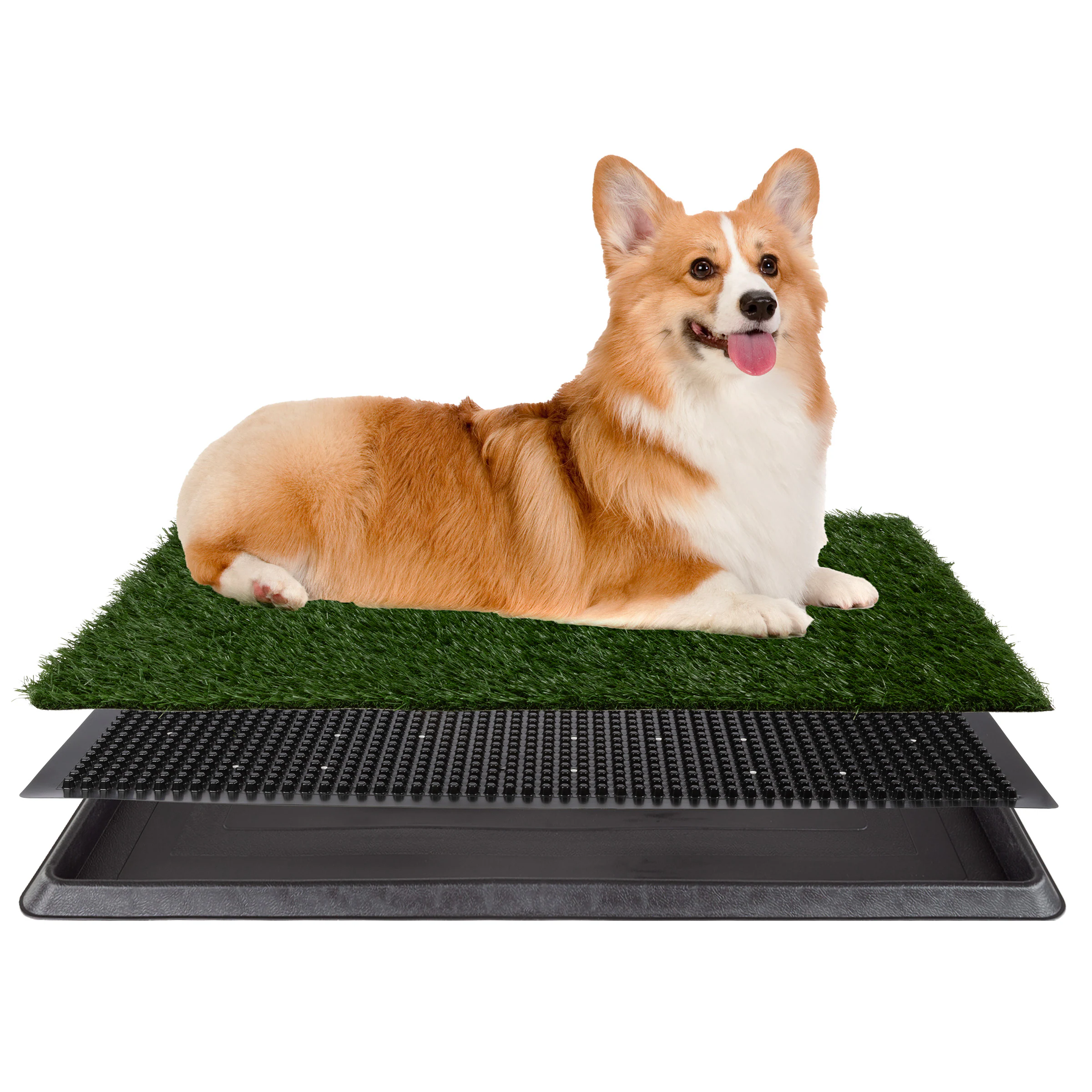
If you’ve ever owned a puppy, you know that the cutest things about them can also be the messiest. Chewed shoes, torn couch cushions, and let’s be honest the occasional puddle on the floor. Potty training is one of the first, and perhaps most frustrating, challenges new puppy parents face. But here’s a secret: puppy potty training classes can make this process not only easier but surprisingly enjoyable.
In this guide, we’ll dive into why these classes are a game-changer, how they work, and what you can do at home to reinforce good habits.
Why Puppy Potty Training Classes Work
Let’s face it puppies are tiny chaos machines with zero sense of timing. Potty training on your own can feel like chasing shadows. That’s where structured classes step in.
Socialization Plus Training
Puppy potty training classes aren’t just about eliminating accidents they’re a full socialization boot camp. Your pup learns:
- Routine: Consistency in potty breaks.
- Environment: Getting used to distractions.
- Observation: Learning from other puppies and the trainer.
It’s like sending your dog to puppy preschool fun, educational, and a little competitive.
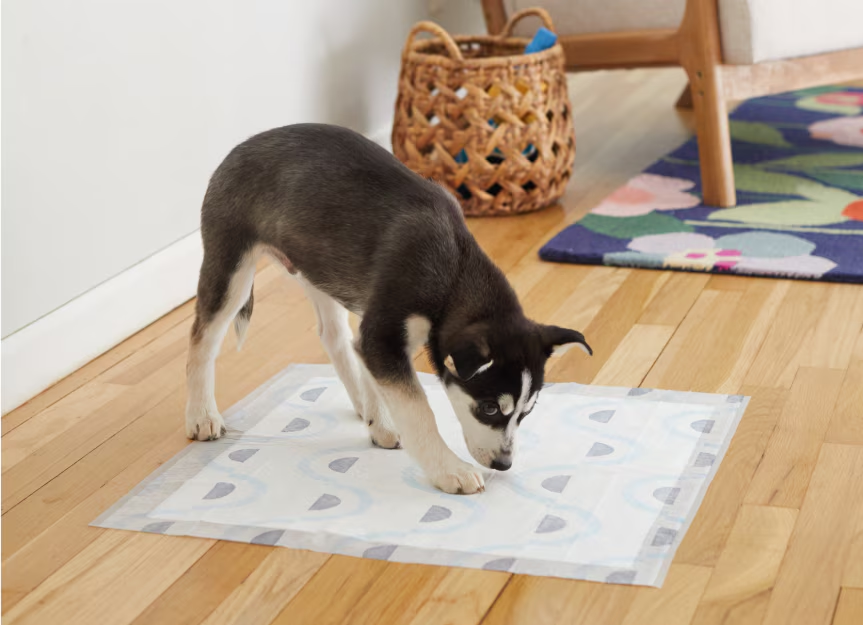
Expert Guidance
One of the biggest perks of joining puppy potty training classes is access to trainers who have seen it all. These experts:
- Identify signs your puppy needs to go.
- Correct accidents without scolding.
- Teach reward-based training methods.
According to American Kennel Club, positive reinforcement is key for lasting success.
What to Expect in a Puppy Potty Training Class
Not all classes are created equal. Here’s a table outlining typical elements:
| Class Component | What Happens | Benefit |
| Initial Assessment | Trainer evaluates puppy’s habits | Personalized training plan |
| Schedule Planning | Establish potty times and routines | Reduces accidents |
| Demonstrations | Trainer shows correct techniques | Visual learning for owners |
| Practical Sessions | Puppies practice under supervision | Reinforces good habits |
| Feedback & Adjustments | Trainers review progress | Tailored advice for each pup |
Many classes also encourage short daily homework, which reinforces consistency at home.
Choosing the Right Puppy Potty Training Class
Not every class is worth your time. Look for programs that are:
- Positive-Reinforcement Focused: No harsh punishments.
- Small Group Sizes: Ensures attention for your pup.
- Flexible Schedule: Accommodates your routine.
- Certified Trainers: Experienced professionals.
A simple search or Pet-U’s puppy training courses can give you verified options near you.
At-Home Reinforcement Techniques
Classes are great, but real progress happens at home. Combine what you learn in class with these methods:
1. Set a Consistent Schedule
Take your puppy out at regular intervals first thing in the morning, after meals, and before bedtime.
2. Use Command Words
Pick one word or phrase, like “go potty,” and stick with it. Puppies respond to repetition.
3. Reward Immediately
Treats, praise, belly rubs whatever your pup loves right after they eliminate in the correct spot.
4. Keep a Potty Log
Note the times your puppy goes. Patterns emerge quickly, and you can prevent accidents proactively.
5. Limit Freedom Initially
Start with a confined space and gradually give more access as your puppy shows progress.
For more detailed techniques, check out Rover’s guide on potty training puppies.
Common Mistakes to Avoid
Even seasoned dog owners slip up sometimes. Watch out for:
- Punishing Accidents: Puppies don’t understand scolding they’ll just hide or get anxious.
- Inconsistent Schedule: Confuses your pup, slows learning.
- Overfeeding: Leads to more accidents.
- Ignoring Subtle Signs: Sniffing, circling, or whining signals the need to go.
A little observation goes a long way.
How Long Does It Take to Potty Train a Puppy?
Patience is essential. Here’s a rough guide:
| Puppy Age | Average Time to Potty Train |
| 8–12 weeks | 3–6 months |
| 3–6 months | 2–4 months |
| 6+ months | 1–3 months (if consistent) |
Remember, breeds with small bladders may take longer. Training is not one-size-fits-all.
Benefits Beyond a Clean Home
Investing in puppy potty training classes pays off in more ways than just avoiding puddles.
- Stronger Bond: Working together builds trust.
- Better Socialization: Puppies get used to other dogs and humans.
- Confidence for the Owner: Less frustration, more fun.
- Foundation for Future Training: Basic obedience comes easier when potty habits are established.
It’s not just a training class it’s an investment in your pup’s personality and your peace of mind.
FAQs About Puppy Potty Training Classes
Q1: At what age should I start potty training my puppy?
A: Ideally, start as early as 8 weeks. Puppies are like sponges they learn fast!
Q2: Can I do potty training without a class?
A: Yes, but classes accelerate progress and give expert guidance to avoid common mistakes.
Q3: How often should I take my puppy out?
A: Every 2–3 hours initially, plus immediately after meals, naps, or play.
Q4: My puppy is having accidents despite training. What should I do?
A: Stay calm, adjust your routine, and reinforce positive behavior. Consistency is key.
Q5: Are crate training and potty training connected?
A: Absolutely. Crates teach puppies to hold it, making potty training smoother.
Final Thoughts
Let’s be honest puppies are adorable chaos until they’re not. But puppy potty training classes turn that chaos into a routine, teaching both you and your pup how to coexist without stress. The right class, paired with at-home consistency, gives your dog the foundation to be well-behaved, confident, and happy.If you’re serious about ditching the indoor accidents and gaining a well-mannered pup, check out Pet-U’s puppy potty training programs. Your future self and your floors will thank you.
Aggressive Dog Training: What Actually Works (And What to Avoid)
Searching for a trusted doggy daycare near me Give your pet a fun safe and caring environment with supervised playtime socialization and proper care throughout
Dog Training Near Me: What Local Trainers Should Really Offer Your Dog
Searching for dog training near me Our expert trainers provide personalized obedience training puppy training and behavior correction programs to help your dog become well
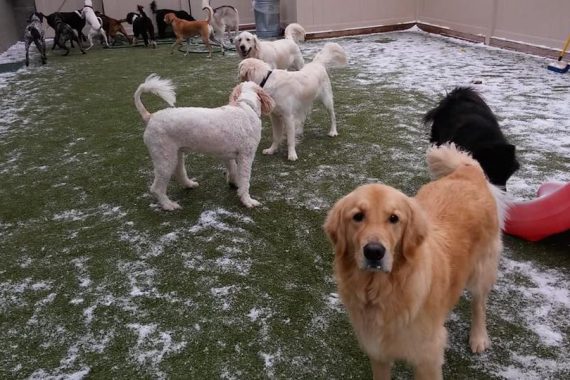
Dog Daycare and Boarding Near Me: One Solution for Busy Pet Parents
Searching for reliable dog daycare and boarding near me We offer safe supervised daycare and comfortable overnight boarding so your pet stays happy healthy and