
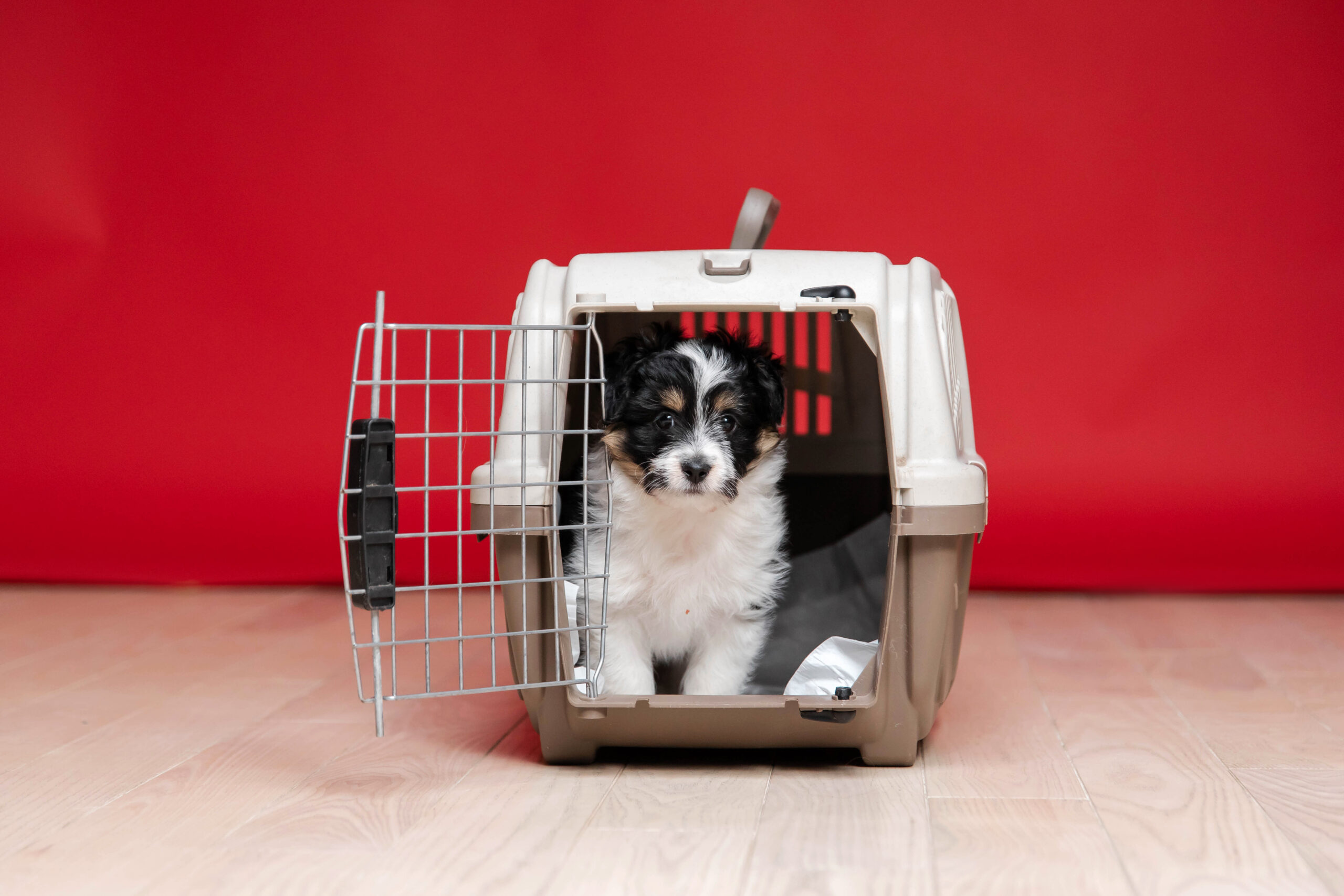
Bringing home a puppy? It’s exciting, but let’s be real. It’s also a little overwhelming. Between the potty accidents, the chewing, and the late-night whining, you may find yourself asking, “What did I sign up for?” That’s exactly why crate training a puppy matters. It’s not about locking them up. It’s about giving your pup a safe, predictable place to land. Think of it as their little den, their comfort zone, and honestly, your sanity-saver.
At PetU, we’ve helped families all over Milwaukee, Racine, and Mequon through this process. And every single time, we’ve seen the difference: calmer puppies, less chaos, and parents who can finally breathe a little easier.
What Is Crate Training?
Crate training is basically teaching your puppy that a crate is their bedroom. It’s where they sleep, rest, and reset. Not punishment. Not “doggy jail.”
Dogs are den animals. They actually like having a small space that’s theirs. Done right, the crate becomes the spot they choose when they need a break. The American Kennel Club explains that crates tap into a dog’s natural instinct to seek out a den-like environment, which makes them one of the most effective training tools when used properly.
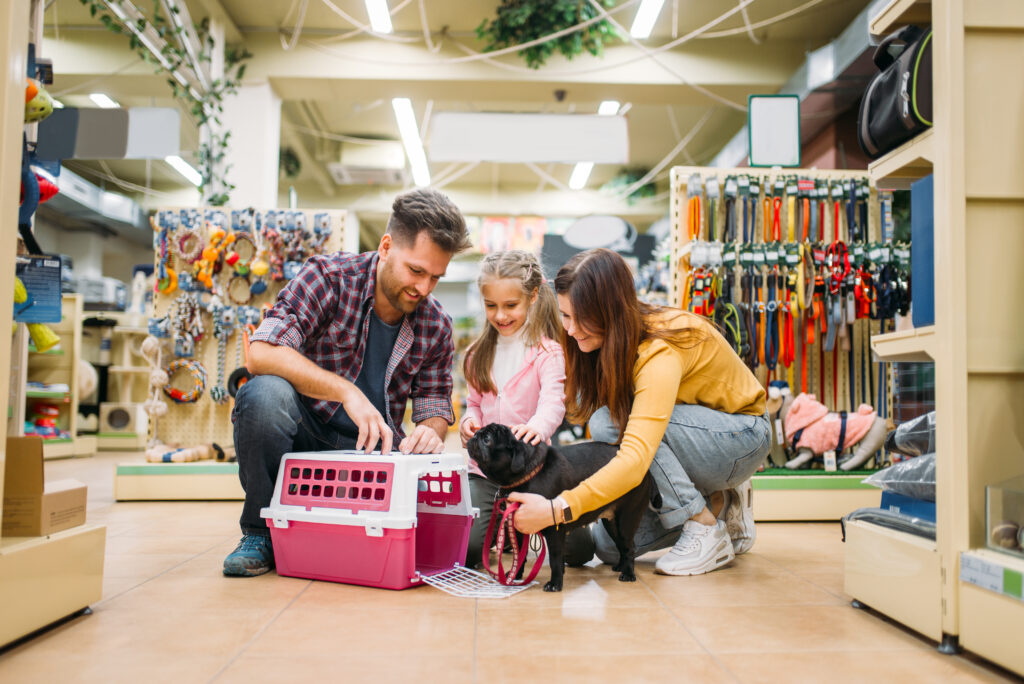
Benefits of Crate Training a Puppy
Why should you bother? Simple: it makes your life easier and your puppy’s life better.
- Potty training gets faster. Puppies don’t like to mess where they sleep.
- Your stuff survives. Shoes, couches, and remote controls are safe when your pup’s in the crate.
- They get a safe space. When things feel overwhelming, they’ve got a retreat.
- Travel is less stressful. Vet visits, grooming, and even road trips go smoother.
- They learn independence. Crates help puppies build confidence being alone for a bit.
According to the Humane Society, crate training is not only practical but also emotionally beneficial, giving dogs a sense of routine and security.
At PetU, we’ll tell you the truth: crates aren’t cruel. Misusing them is. Used right, they’re one of the best tools you’ll ever have.
How To Choose a Dog Crate
Not all crates are equal.
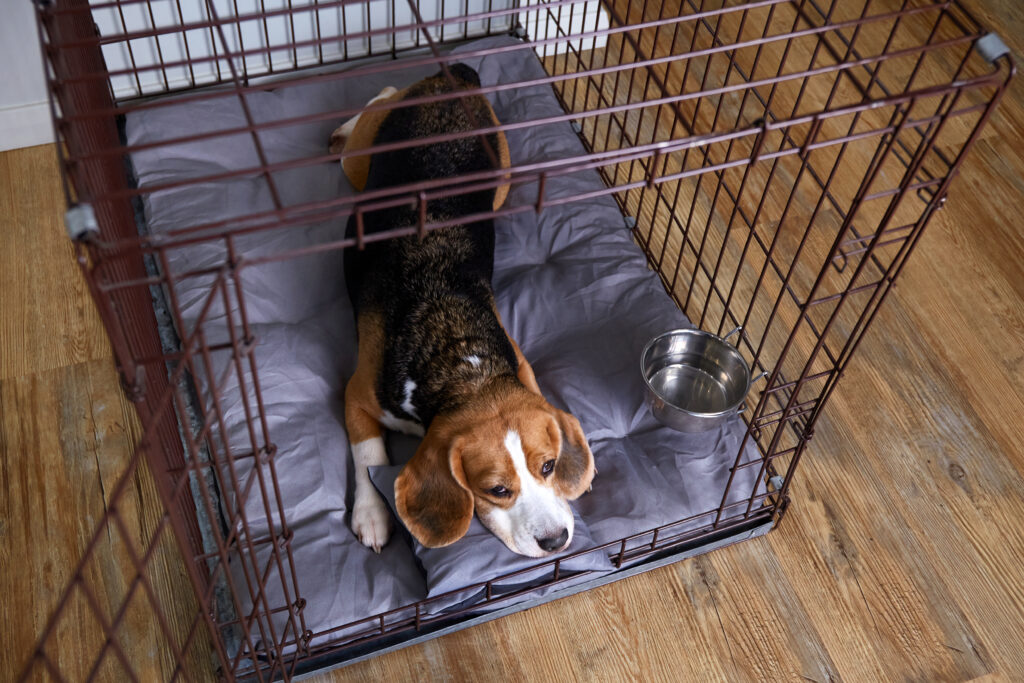
- Wire crates: airy, sturdy, easy to fold.
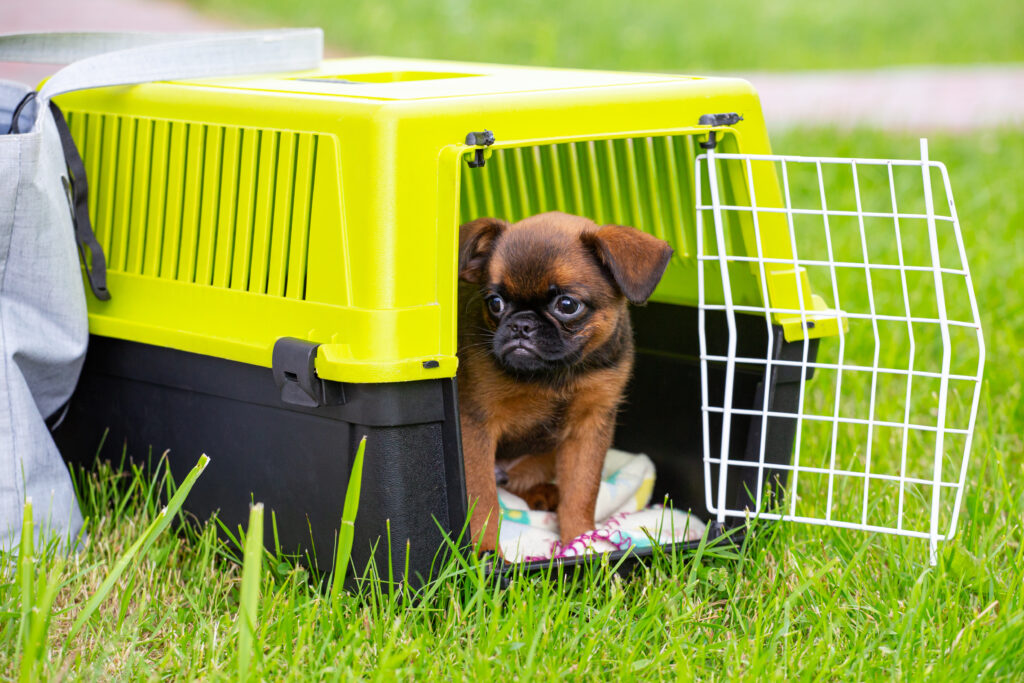
- Plastic crates: cozier, good for travel.
Soft-sided crates: fine for calm dogs, but most puppies will treat them like chew toys.
As the ASPCA points out, the right crate depends on your dog’s needs, personality, and your lifestyle.
PetU tip: Don’t shove the crate in the basement or laundry room. Puppies want to be near their people. Keep it in the living room or bedroom so they feel connected.
How Big Should a Dog Crate Be?
This part matters. Too small = uncomfortable. Too big = they might turn one side into a bathroom.
Rule of paw: Just enough space to stand, turn, and lie down. That’s it.
Crate Size Guide
| Dog Size | Approx. Weight | Crate Size |
| X-Small (Toy breeds) | Up to 25 lbs | 24” |
| Small (Beagle, Cocker Spaniel) | 26–40 lbs | 30” |
| Medium (Bulldog, Border Collie) | 41–70 lbs | 36” |
| Large (Labrador, Golden Retriever) | 71–90 lbs | 42” |
| X-Large (German Shepherd, Rottweiler) | 91–110 lbs | 48” |
| XXL (Great Dane, Mastiff) | 111+ lbs | 54” |
The team at PetMD recommends choosing a crate with a divider for growing puppies so you can adjust the space as they mature. Trust us, your wallet will thank you later.
Best Way to Crate Train a Puppy
Here’s the golden rule: keep it positive.
Don’t drag them in. Don’t slam the door. Don’t use it as punishment. That’s a fast track to a puppy who hates the crate.
Instead:
- Feed meals inside.
- Keep crate-only toys (makes it special).
- Praise every calm moment.
- Start small, be consistent.
The AKC emphasizes positive reinforcement, too, noting that a crate should never be associated with fear or isolation. We’ve seen hesitant puppies go from fighting the crate to running inside with tails wagging — all because their parents made it positive.
How to Crate Train a Puppy Step-by-Step
Step 1: Introduction
Door open. Treat inside. Let them sniff, wander, and figure it out. Curiosity works better than force every single time.
Step 2: Make It Worthwhile
Feed dinner in the crate. Give their favorite chew only when they’re in there. Pretty soon, they’ll start thinking, “This place isn’t so bad.”
Step 3: Short Sessions
Shut the door for a few minutes while you sit nearby. Release them before they panic. Slowly add more time.
Step 4: Nighttime Routine
Put the crate near your bed. Last potty break → crate → bedtime. If they whine, don’t give in right away. Wait for calm, then take them out if it’s truly bathroom time.
Step 5: Build Up Safely
Add minutes, then hours. Balance it with play, exercise, and snuggles. Puppies can’t stay in too long — remember, they’re babies.
The RSPCA notes that gradual progress is key, especially for younger puppies who need more frequent breaks.
Crate Training a Puppy: Pros and Cons
Let’s be honest. Crate training has amazing benefits, but it’s not magic.
| Pros | ❌ Cons |
| Potty training made easier | It can cause stress if misused |
| Protects your stuff | Takes consistency and patience |
| Gives the pup a safe retreat | Overuse can backfire |
| Makes travel smoother | Some owners feel guilty |
As VCA Hospitals explains, crates are a helpful tool but should always be used responsibly. Our take? The pros outweigh the cons by miles if you use the crate right.
A Word From PetU
Here’s the truth: crate training a puppy isn’t always smooth. There will be whining. There will be setbacks. You’ll wonder if it’s working.
But if you stick with it, calmly, consistently, kindly, it’s one of the best investments you’ll ever make in your dog’s future. Your pup gets structure and security. You get your shoes back. Everyone wins.
At PetU, we’ve helped so many families go from “this feels impossible” to “I can’t believe how well my puppy sleeps in their crate now.” You don’t have to do it alone.
Check out our puppy training programs in Milwaukee, Racine, and Mequon. We’ll walk you through it, step by step, and make sure you and your pup come out smiling.
Aggressive Dog Training: What Actually Works (And What to Avoid)
Searching for a trusted doggy daycare near me Give your pet a fun safe and caring environment with supervised playtime socialization and proper care throughout
Dog Training Near Me: What Local Trainers Should Really Offer Your Dog
Searching for dog training near me Our expert trainers provide personalized obedience training puppy training and behavior correction programs to help your dog become well

Dog Daycare and Boarding Near Me: One Solution for Busy Pet Parents
Searching for reliable dog daycare and boarding near me We offer safe supervised daycare and comfortable overnight boarding so your pet stays happy healthy and