
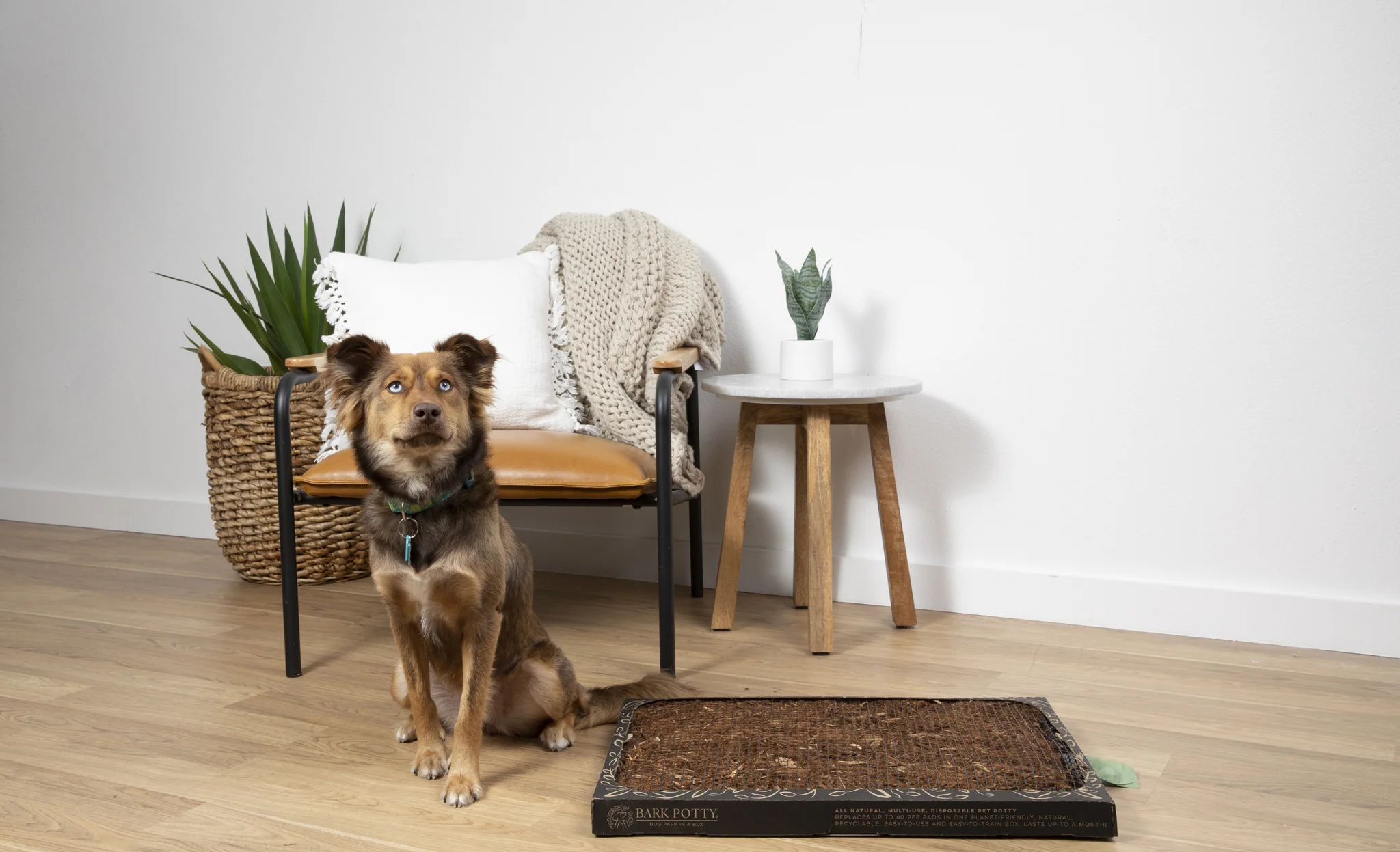
If you’re Googling “dog potty training near me”, chances are you’re tired. Maybe a little annoyed. Possibly standing next to a suspicious wet patch on your carpet that absolutely was not there five minutes ago.
You’re not alone.
Potty training is one of those things everyone says is “easy with consistency,” but no one warns you how messy, confusing, and emotionally draining it can get. One day your dog nails it. The next day… chaos. Again.
This guide is not fluff. No robotic advice. No “just be patient” nonsense.
We’re talking quick fixes that actually work, why they work, and when it’s time to stop DIY-ing and search for real dog potty training near me options that save your sanity.
Why Potty Training Feels Harder Than It Should
Here’s the uncomfortable truth:
Most potty training fails aren’t about the dog. They’re about timing, environment, and mixed signals.
Dogs don’t think in calendars. They think in patterns.
If the pattern keeps changing—different feeding times, irregular walks, scolding after the fact—they get confused. And confused dogs pee wherever feels right.
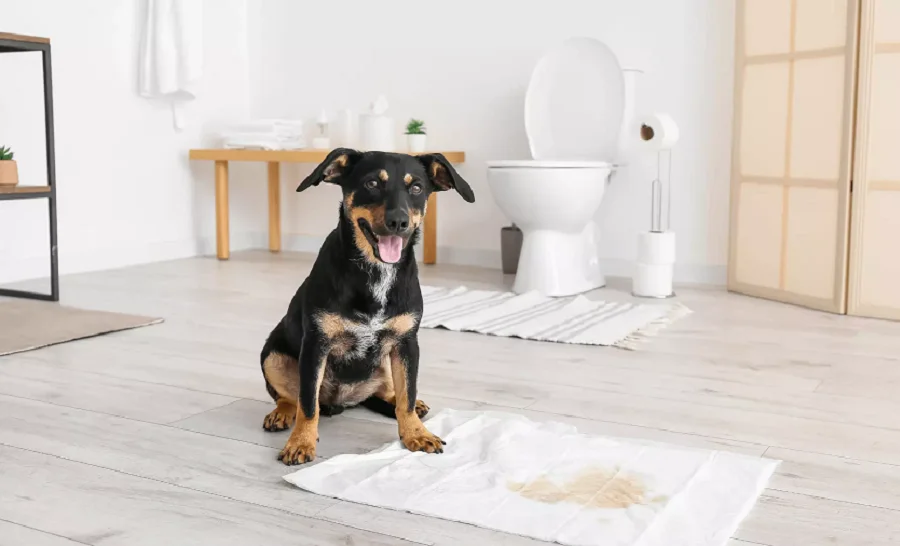
Common mistakes I see all the time
- Expecting puppies to “hold it” too early
- Punishing accidents hours after they happened
- Changing potty spots every few days
- Free-feeding instead of scheduled meals
- Letting the dog roam unsupervised too soon
Sound familiar? Yeah. Been there.
When to Start Looking for “Dog Potty Training Near Me”
DIY training works… until it doesn’t.
You should seriously consider local help if:
- Your dog is over 6 months old and still having daily accidents
- You’ve tried crate training but it’s backfiring
- Your dog pees indoors right after coming back from outside
- You live in an apartment and timing walks is tough
- Work schedules make consistency impossible
That’s when searching dog potty training near me stops being dramatic and starts being practical.
Local trainers understand:
- Your climate (rain changes everything)
- Apartment vs. house challenges
- Local leash laws and potty rules
- Breed trends common in your area
Quick Fix #1: Reset the Routine (Yes, Completely)
This is where most people roll their eyes. Don’t.
A full reset works shockingly well.
The 7-Day Reset Plan
| Time | What to Do | Why It Works |
| Morning | Immediate potty trip | Bladder is full |
| After meals | Potty within 10–15 min | Digestion trigger |
| After naps | Straight outside | Sleep relaxes muscles |
| After play | Short leash potty | Excitement causes leaks |
| Night | Same time every night | Predictability |
No free roaming. No guessing.
Leash your dog indoors if needed. Annoying? Yes. Effective? Also yes.
Quick Fix #2: Stop Free-Feeding (This One Hurts Feelings)
I know. They look hungry. They give you that face.
But free-feeding wrecks potty training.
Why scheduled meals matter
- Predictable digestion
- Predictable bathroom timing
- Easier accident prevention
- Faster learning loop
Feed twice a day. Same times. Pick up the bowl after 15–20 minutes.
Within days, you’ll notice bathroom patterns tightening up.
Quick Fix #3: One Potty Spot. No Exceptions.
Dogs don’t generalize well.
If today’s potty spot is:
- the grass
- tomorrow the pavement
- next week a random bush
…don’t be surprised when they improvise indoors.
Choose one spot and stick to it.
Pro tip
Stand still. Be boring. No walking, no scrolling, no chatting.
Let the dog focus.
When they go? Quiet praise. Treat within 2 seconds. Timing matters more than enthusiasm.
Quick Fix #4: Clean Like a Maniac (But With the Right Stuff)
If it smells like a bathroom, it is a bathroom—to your dog.
Regular cleaners don’t cut it.
You need enzymatic cleaners that break down urine proteins completely.
What actually works
- Enzyme-based pet cleaners
- Hot water alone (no vinegar myths)
- Deep cleaning carpets, not just surface wiping
If accidents keep happening in the same spot, odds are the smell never fully left.
Quick Fix #5: Ditch Punishment. Use Interruption.
Let’s clear this up.
Punishment doesn’t teach where to go. It teaches fear. And sneaky peeing.
What to do instead
- Catch them mid-accident → quick “uh-uh”
- Immediately take them outside
- Praise if they finish outdoors
- Clean silently if you missed it
No lectures. Dogs don’t do guilt. They do cause-and-effect.
Crate Training: Friend or Frenemy?
Crates work. When used correctly.
They fail when:
- The crate is too big
- Dogs are left too long
- It becomes a punishment zone
Crate sizing rule
Dog should:
- Stand comfortably
- Turn around
- Lie down
No extra space. Extra space equals bathroom corner.
Puppy vs Adult Dog Potty Training (Big Difference)
| Factor | Puppies | Adult Dogs |
| Bladder control | Limited | Developed |
| Habits | None yet | Already formed |
| Training speed | Faster | Slower but steadier |
| Mistakes | Normal | Needs investigation |
Adult dogs having accidents usually signal:
- Anxiety
- Incomplete prior training
- Medical issues
- Territory marking
Different problem. Different fix.
Apartment Living Makes This Harder (But Not Impossible)
If you live in a flat, potty training gets real, real fast.
Elevators. Stairs. Timing disasters.
Apartment survival tips
- Potty breaks before play, not after
- Carry puppies if needed
- Use bell training for alerts
- Keep a leash by the door at all times
And yes—this is where professional dog potty training near me services shine. They help adapt training to your building, not a suburban fantasy.
When Professional Help Is the Smart Move
Here’s the thing no one likes to admit:
Sometimes you’re doing everything right… and still stuck.
That’s not failure. That’s information.
Working with professionals like the trainers at PetU gives you:
- Customized potty plans
- In-home or local support
- Behavior-based solutions
- Faster, cleaner results
They don’t just train dogs. They train humans too. (We all need it.)
Resources Worth Trusting
If you want deeper science-backed insight:
- American Kennel Club’s house training guide
https://www.akc.org/expert-advice/training/how-to-house-train-a-puppy/ - ASPCA’s potty training fundamentals
https://www.aspca.org/pet-care/dog-care/housetraining-your-dog-or-puppy
Use these as support, not replacements for hands-on help.
Signs Your Dog Is Learning (Even If It Doesn’t Feel Like It)
Progress isn’t always obvious.
Look for:
- Sniffing before accidents
- Heading toward the door
- Fewer accidents in the same area
- Longer dry periods
- Faster potty once outside
Training isn’t linear. It zigzags. That’s normal.
FAQs: Dog Potty Training Near Me
How long does potty training usually take?
Most dogs show strong improvement in 2–4 weeks with consistency. Full reliability can take 2–3 months, sometimes longer for rescues or adult dogs.
Is searching “dog potty training near me” worth it?
Yes—especially if you’ve tried multiple methods without success. Local trainers adjust plans to your environment, schedule, and dog’s personality.
Can older dogs be potty trained?
Absolutely. It may take longer, but adult dogs can learn new habits with the right structure and support.
Should I use pee pads?
Short-term, maybe. Long-term, they often confuse dogs. Pads can delay outdoor training if not phased out correctly.
What if my dog only has accidents when I leave?
That’s likely separation anxiety, not potty training failure. This needs a different approach altogether.
Final Thoughts
Potty training is frustrating. It tests patience. It ruins rugs. It makes you question your life choices at 6 a.m.
But it’s also fixable.
Whether you tighten your routine, clean smarter, or finally look up dog potty training near me and get hands-on help, the key is this:
Stop guessing. Start structuring.
And if you’re tired of figuring it out alone, check out the training support at PetU. Sometimes the fastest fix isn’t another article—it’s real guidance from people who’ve seen it all.
You’ve got this. And your floors will forgive you.
Aggressive Dog Training: What Actually Works (And What to Avoid)
Searching for a trusted doggy daycare near me Give your pet a fun safe and caring environment with supervised playtime socialization and proper care throughout
Dog Training Near Me: What Local Trainers Should Really Offer Your Dog
Searching for dog training near me Our expert trainers provide personalized obedience training puppy training and behavior correction programs to help your dog become well
Dog Daycare and Boarding Near Me: One Solution for Busy Pet Parents
Searching for reliable dog daycare and boarding near me We offer safe supervised daycare and comfortable overnight boarding so your pet stays happy healthy and