


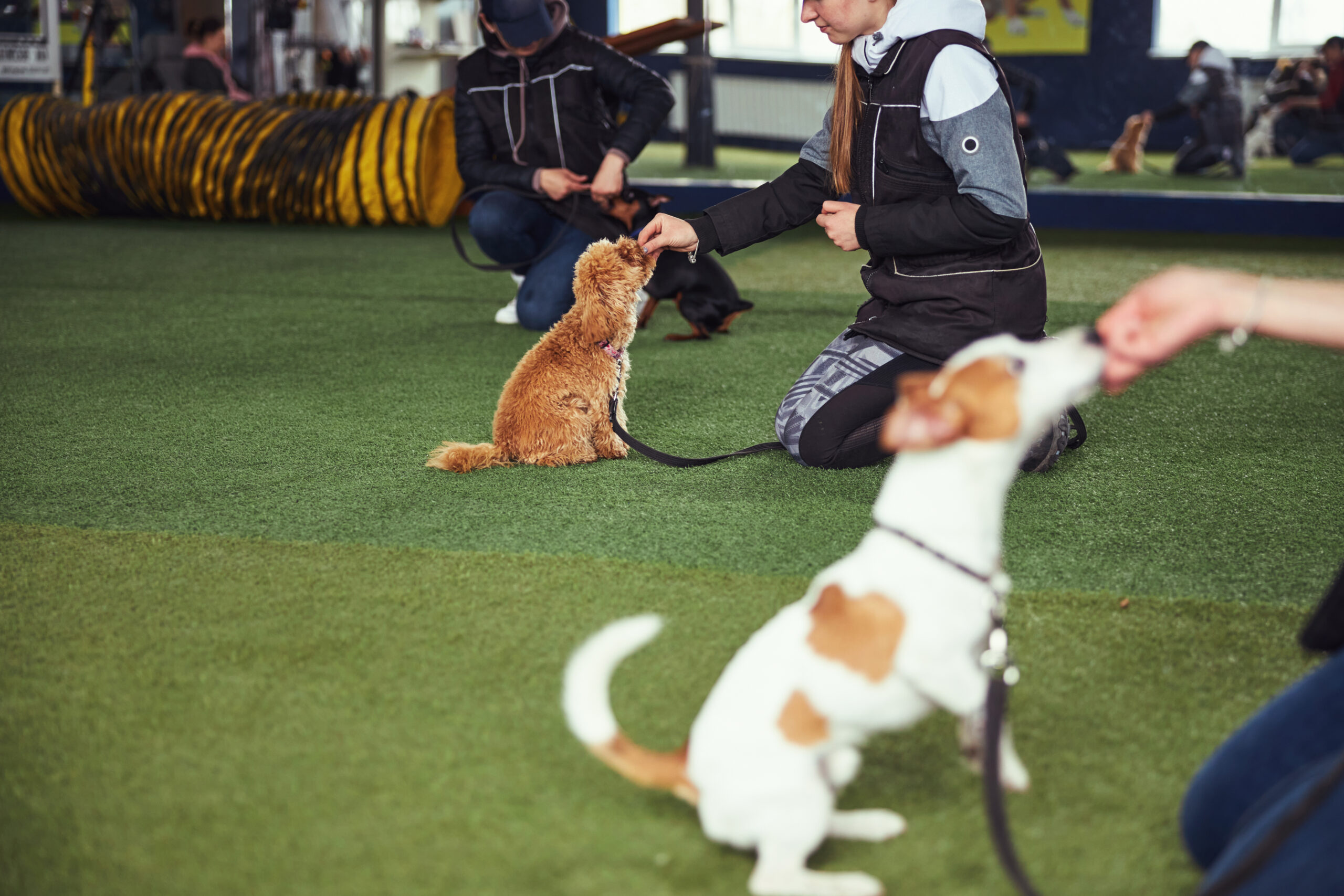
Bringing a new dog into your home is exciting, but it can also be overwhelming. From house training accidents to leash pulling or nonstop barking, many owners quickly realize they need extra support. That’s when dog training classes become an invaluable resource.
But are they really worth it? The short answer: absolutely. Training classes not only help with obedience but also improve your dog’s confidence, social skills, and overall happiness. This beginner’s guide will answer all your questions about dog training classes, what they are, why they matter, what types are available, and the results you can expect.
What Are Dog Training Classes?
Dog training classes are structured programs led by professional trainers that teach dogs essential skills for everyday life. Unlike quick tips you might try at home, classes follow a step-by-step approach that builds consistency and confidence in both the dog and the owner.
What’s typically included in dog training classes:
- Basic commands – sit, stay, down, come, heel
- Leash manners – walking without pulling, stopping at curbs
- Impulse control – waiting patiently at doors or before eating
- Socialization – exposure to people, other dogs, and new environments
- Problem-solving – addressing barking, jumping, or chewing
According to the American Kennel Club, training classes are one of the best ways to set dogs up for long-term success. They help create reliable routines and give owners clear tools to manage behavior.
At PetU, our training sessions in Mequon, Milwaukee, and Racine focus on practical, everyday skills that make life easier for both you and your dog.
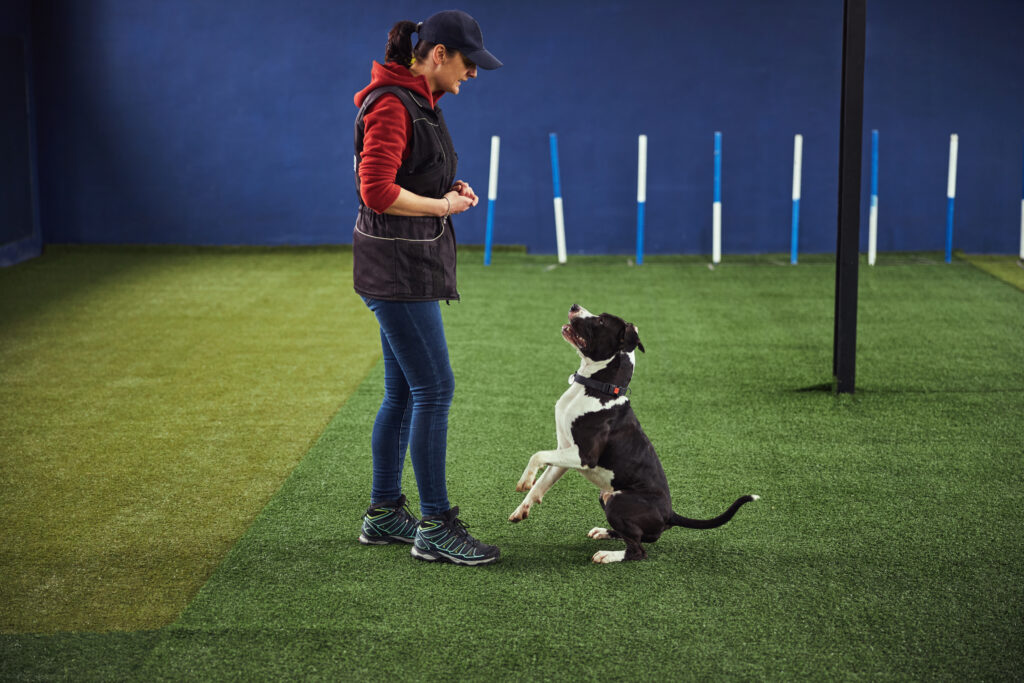
What are the types of Dog Training Classes?
Not every dog learns the same way, which is why there are different training formats available.
1. Puppy Training Classes
- Age: 8–16 weeks (with vet approval for vaccinations)
- Focus: Socialization, potty training, crate training, and simple commands
- Why it matters: Puppies go through a critical learning window where experiences shape their behavior for life. Early classes prevent fear and aggression later.
2. Basic Obedience Classes
- Age: Any age—perfect for beginners
- Focus: Sit, stay, come, leash walking, and polite greetings
- Why it matters: Builds the foundation for good manners and safety in daily life.
3. Intermediate/Advanced Training
- Age: Dogs who have mastered the basics
- Focus: Off-leash reliability, advanced recall, distraction-proof obedience
- Why it matters: Great for active families, therapy-dog hopefuls, or those who want their dogs to handle busy environments calmly.
4. Behavioral Training
- Age: Dogs with specific challenges (rescues, anxious or reactive dogs)
- Focus: Overcoming aggression, fear, separation anxiety, or excessive barking
- Why it matters: Helps dogs rebuild trust and adapt to family life more smoothly.
5. Group vs. Private Classes
- Group classes: Build socialization skills and are more affordable.
- Private sessions: Provide one-on-one focus for dogs with unique needs.
PetU offers both group and private formats. For dogs who need immersive structure, our Board & Train program provides daily professional training while keeping families involved with weekly updates.
Why Are Dog Training Classes Important?
You might wonder: why not just train my dog at home? The truth is, while at-home practice is vital, classes provide structure, consistency, and expert guidance that’s hard to replicate.
Here’s why they matter:
- Consistency: Professional trainers guide you step by step, preventing confusion from mixed signals.
- Bonding: Working together strengthens the relationship between you and your dog.
- Safety: A well-trained dog responds quickly in emergencies (like running toward traffic).
- Confidence: Especially for rescues or shy dogs, classes build resilience in new environments.
- Community: Owners connect with others going through the same training journey.
Just like socialization classes give dogs a chance to safely meet new people and pups, obedience classes provide controlled learning environments that prepare them for the real world.
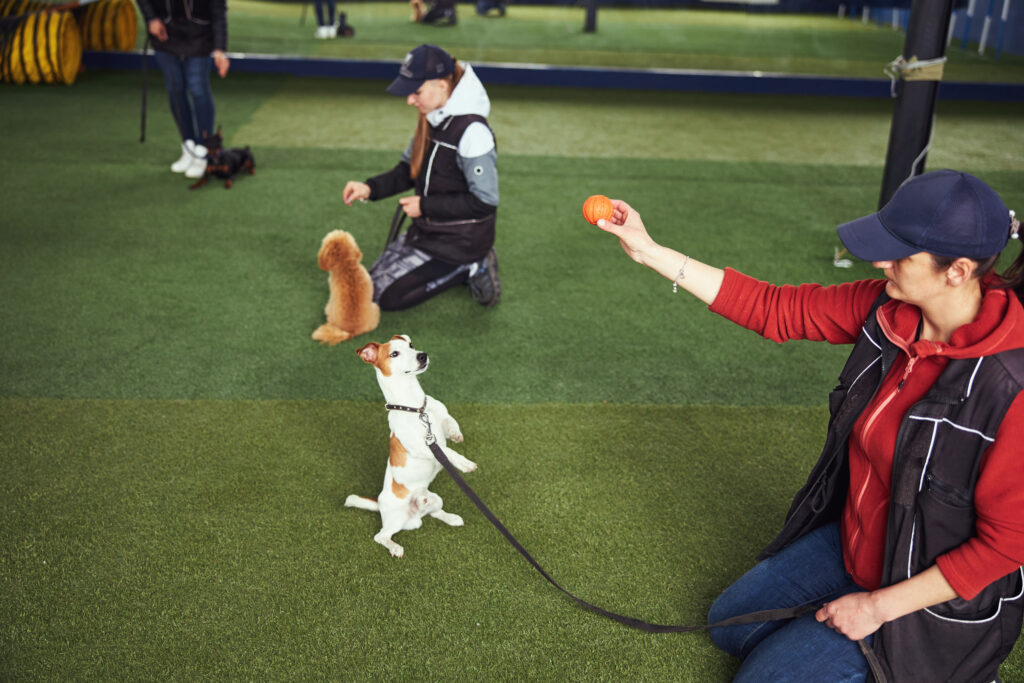
Benefits of Dog Training Classes
The benefits extend far beyond commands:
For Dogs:
- Better behavior at home (less barking, chewing, or jumping)
- Reduced anxiety through positive reinforcement
- Improved focus and listening skills
- More confidence in public spaces
For Owners:
- Tools and techniques you can use every day
- Less frustration and stress at home
- A stronger, more trusting bond with your dog
- Support from trainers and other owners
A well-trained dog is not just easier to live with, they’re also safer and happier.
What Skills Do Dogs Learn in Training Classes?
Dogs gain a wide variety of practical skills that make daily life smoother:
- Basic obedience: sit, stay, down, heel, come when called
- Impulse control: waiting at doors, resisting dropped food, not jumping on guests
- Leash manners: walking politely without pulling
- Polite greetings: calmly meeting people and dogs
- Advanced skills: recall under distractions, off-leash behavior
- Confidence training: handling new environments, loud noises, or unfamiliar objects
At PetU, trainers make sure each skill is reinforced both in class and at home, so your dog learns to respond consistently no matter the situation.
Outcomes: What to Expect From Dog Training Classes
Results vary depending on your dog’s age, temperament, and how much practice you put in outside of class, but most families see changes quickly.
Typical outcomes include:
- Easier walks without pulling
- A calmer dog at home
- Reliable recall in parks or open spaces
- Reduced problem behaviors like barking or chewing
- A more confident, well-adjusted companion
For rescues, the transformation can be even more dramatic. Structured classes help rebuild trust and give them the stability they may have missed early in life.
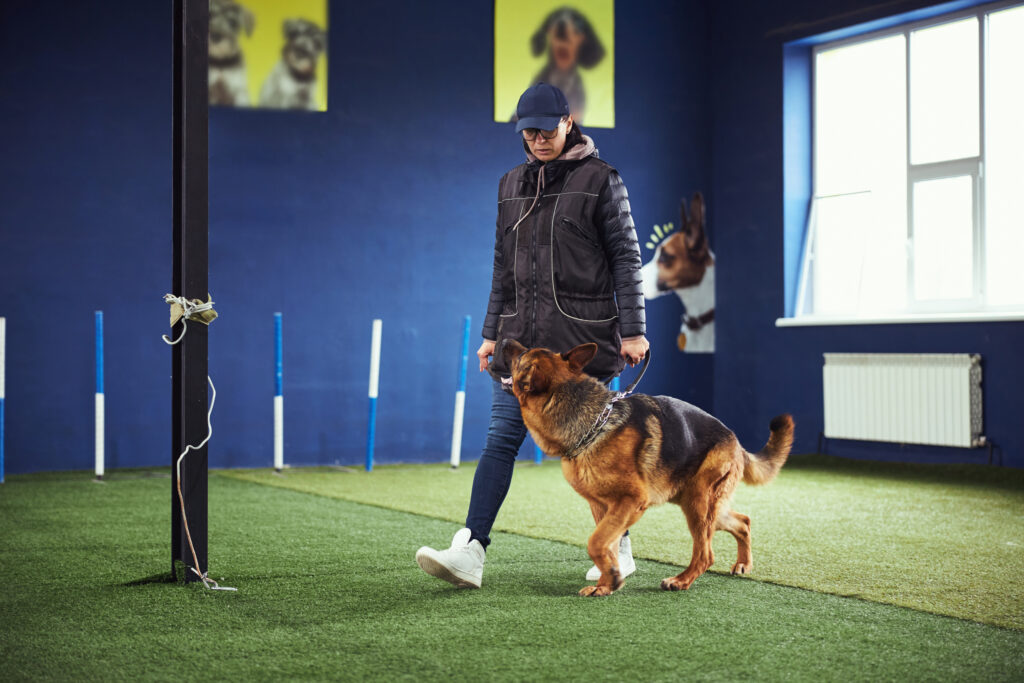
Preventive Benefits of Dog Training
One of the biggest advantages of training classes is prevention. Dogs that receive early, structured training are less likely to develop destructive behaviors or end up rehomed.
The ASPCA reports that behavior problems are among the top reasons dogs are surrendered to shelters. By investing in training early, you’re giving your pup the best chance at a lifelong, happy home.
FAQs About Dog Training Classes
Q: What age should my puppy start training?
A: As early as 8–10 weeks, once vaccinations are started and your vet approves.
Q: Do older dogs benefit from training?
A: Yes, dogs of all ages can learn new behaviors and improve old habits.
Q: How long are classes?
A: Typically 45–60 minutes once or twice a week, depending on the program.
Q: What if my dog is anxious or aggressive?
A: Trainers can adapt techniques. Private or behavioral classes may be the best fit.
Q: Do I need to keep training after classes end?
A: Yes, consistency at home is key. Trainers will give you practice exercises to reinforce progress.
Are dog training classes worth it?
Absolutely. Dog Training Classes provide structure, support, and confidence for both dogs and owners. More than obedience, they build trust and help prevent future problems.
For families in Mequon, Milwaukee, and Racine, PetU’s dog training classes are tailored to fit every stage of life, from puppyhood to advanced skills. Whether your goal is better manners, socialization, or tackling problem behaviors, our trainers are here to help.
Ready to begin? Contact Us to explore our programs and book your first session.