

If you’ve typed “dog training near me” into Google at 11:47 PM because your Labrador just chewed through your sofa corner… you’re not alone.
I’ve been there.
One minute you’re cuddling a sweet, floppy-eared pup. Next minute, you’re negotiating with a 60-pound tornado who thinks your shoes are chew toys and the doorbell is a declaration of war.
Searching for dog training near me feels easy. Picking the right trainer? That’s where it gets messy.
Because here’s the truth:
Not all dog trainers are created equal.
Some offer real behavior transformation. Others? Just glorified sit-and-stay sessions.
So let’s talk about what local trainers should really offer your dog what you should expect when you’re investing your time, money, and sanity.
Why “Dog Training Near Me” Isn’t Just About Convenience
When you search for dog training near me, you’re not just looking for proximity. You’re looking for:
- A professional who understands your dog’s personality
- Someone who works with your schedule
- A trainer who gets your neighborhood environment
- And ideally… someone who won’t judge you when your dog loses it in public
Local trainers matter because training isn’t theoretical. It’s contextual.
A dog that behaves perfectly in a quiet training facility might completely unravel:
- In your apartment building hallway
- At a busy park
- Around traffic noise
- Near other dogs
A good local trainer works in real-life conditions. That’s the difference.
What Real Dog Training Should Actually Include
Let’s break it down.
If you’re paying for dog training near me services, your trainer should offer more than “sit, stay, roll over.”
Here’s what high-quality training looks like.
1. A Behavioral Assessment (Not Just a Demo Class)
Before training even begins, a professional trainer should:
- Observe your dog’s body language
- Ask about history (rescue? breeder? trauma?)
- Understand your lifestyle
- Evaluate triggers and stress levels
Training without assessment is like prescribing medicine without diagnosis.
And no, five minutes in a group class doesn’t count.
2. Customized Training Plans
Every dog is different.
A hyper Border Collie? Needs mental stimulation.
A shy rescue? Needs confidence-building.
A stubborn Bulldog? Needs consistency and patience.
If your trainer offers a one-size-fits-all plan, run.
Here’s what a proper plan includes:
| Component | Why It Matters |
| Goal Setting | Defines what success looks like |
| Timeline | Sets realistic expectations |
| Reinforcement Method | Positive, balanced, etc. |
| Homework Plan | Consistency at home |
| Progress Tracking | Accountability |
If you’re exploring professional services through platforms like Pet-U, make sure they emphasize structured programs—not random sessions.
Types of Services You Should See When Searching “Dog Training Near Me”
Not every dog needs the same format. Local trainers should offer options.
1. Private In-Home Training
Best for:
- Aggression
- Anxiety
- Territorial behavior
- Busy families
Benefits:
- Real-life environment
- Fewer distractions
- Personalized attention
This is gold if your dog behaves perfectly outside but turns into a monster at home.
2. Group Classes
Great for:
- Socialization
- Basic obedience
- Controlled distraction exposure
But here’s the thing.
If the trainer doesn’t cap class size, it’s chaos.
Look for:
- Max 6–8 dogs
- Clear structure
- Individual correction time
3. Board & Train Programs
Controversial topic. Some love it. Some hate it.
A quality board-and-train program should:
- Allow you to visit
- Provide daily updates
- Use humane methods
- Offer transition sessions when your dog comes home
If a trainer refuses transparency, that’s a red flag.
For more on training ethics and humane approaches, check resources like the American Kennel Club and the Association of Professional Dog Trainers.
Red Flags When Choosing Dog Training Near Me
Let’s be blunt.
If you see these signs, walk away.
- Guaranteed results in X days
- No discussion of your dog’s history
- Heavy reliance on punishment tools
- No contract or written program
- No references or reviews
Dogs aren’t robots. Anyone promising perfection is selling fantasy.
What About Certifications?
Not every great trainer is certified. But credentials matter.
Reputable certifications include:
- CPDT-KA (Certified Professional Dog Trainer – Knowledge Assessed)
- IAABC credentials
- APDT membership
Certifications show continued education. That’s huge.
Because training evolves. It’s not 1985 anymore.
The Psychology Behind Great Dog Training
Good training isn’t about dominance.
It’s about:
- Timing
- Reinforcement
- Clarity
- Emotional regulation
A stressed dog doesn’t learn well. Period.
When searching for dog training near me, ask trainers about:
- Positive reinforcement methods
- Stress signals
- Threshold management
- Behavior modification protocols
If they talk only about “control” and “alpha energy”… yikes.
Cost of Dog Training Near Me: What’s Fair?
Prices vary by city. But here’s a rough breakdown:
| Service Type | Average Cost (India & Urban Areas) |
| Group Class (6 sessions) | ₹5,000 – ₹12,000 |
| Private Session | ₹2,000 – ₹6,000 per session |
| Board & Train | ₹25,000 – ₹80,000+ |
Cheap isn’t always better.
And expensive doesn’t always mean elite.
Ask what’s included.
What Trainers Should Teach Beyond Basic Commands
This is where things get real.
Your dog should learn more than sit and stay.
Here’s what quality training covers:
1. Impulse Control
- Waiting at doors
- Not jumping on guests
- Calm leash behavior
2. Recall (Come When Called)
Because one day, a gate will be left open.
Trust me.
3. Social Manners
- Neutrality around other dogs
- Ignoring distractions
- Proper greeting behavior
4. Owner Education
This one’s big.
If your trainer doesn’t train YOU, that’s a problem.
Dogs don’t relapse. Humans do.
How Long Should Training Take?
It depends.
Basic obedience: 4–8 weeks
Behavior modification: 8–16 weeks
Severe aggression: Months
Anyone promising instant transformation is cutting corners.
Training is habit-building. And habits take reps.
Questions to Ask Before Hiring a Local Trainer
When calling someone you found through “dog training near me,” ask:
- What methods do you use?
- Do you customize plans?
- Can I see reviews or case studies?
- What happens if my dog regresses?
- Do you offer follow-up sessions?
Their answers will tell you everything.
Why Location-Specific Experience Matters
Local trainers understand:
- Common breeds in your area
- Typical housing setups (apartments vs houses)
- Local leash laws
- Dog park culture
For example, urban dogs need elevator manners. Rural dogs need boundary control.
Training isn’t generic.
Technology and Modern Dog Training
Good trainers now use:
- Video progress reports
- WhatsApp support groups
- Digital training guides
- Follow-up check-ins
It’s not just weekly sessions anymore.
If your trainer disappears between classes, that’s outdated service.
The Emotional Side of Searching “Dog Training Near Me”
Let’s be honest.
Sometimes you’re not searching because your dog is “bad.”
You’re searching because:
- You’re embarrassed
- You’re overwhelmed
- You’re tired
- You feel judged
Been there.
A good trainer should make you feel supported. Not shamed.
Dogs feed off your stress. A calm, clear trainer changes the entire dynamic.
Internal Support Resources Matter
When evaluating options, platforms like Pet-U that centralize services and provide structured support can simplify your search. Instead of randomly Googling “dog training near me,” you get curated professionals and clearer program details.
That saves time. And sanity.
External Resources for Continued Learning
Training doesn’t stop after classes.
Reliable external sources include:
- American Kennel Club Training Guides
- APDT – Association of Professional Dog Trainers
- IAABC Behavior Resources
These help you understand behavior science—not myths.
FAQs About Dog Training Near Me
1. How do I choose the best dog training near me?
Look for customized plans, humane methods, certifications, reviews, and clear communication. Avoid guaranteed results or punishment-heavy approaches.
2. How long does dog training usually take?
Basic obedience takes 4–8 weeks. Behavioral issues may require several months depending on severity and consistency.
3. Is private dog training better than group classes?
Private training is better for aggression, anxiety, and specific issues. Group classes are ideal for socialization and general obedience.
4. How much should dog training near me cost?
Costs vary by location and service type. Expect ₹5,000–₹12,000 for group programs and higher for private or board-and-train services.
5. Can older dogs still be trained?
Absolutely. Older dogs may take slightly longer, but learning never stops.
Final Thoughts: What Your Dog Really Deserves
When you type dog training near me, you’re not just looking for convenience.
You’re looking for:
- Peace in your home
- Confidence on walks
- Safety in public
- A stronger bond
Training isn’t about control. It’s about communication.
Your dog isn’t trying to dominate you. They’re trying to understand you.So don’t settle for the closest option.
Don’t settle for the cheapest.
Don’t settle for flashy marketing.
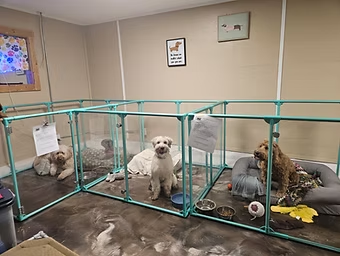
Aggressive Dog Training: What Actually Works (And What to Avoid)
Searching for a trusted doggy daycare near me Give your pet a fun safe and caring environment with supervised playtime socialization and proper care throughout

Dog Daycare and Boarding Near Me: One Solution for Busy Pet Parents
Searching for reliable dog daycare and boarding near me We offer safe supervised daycare and comfortable overnight boarding so your pet stays happy healthy and
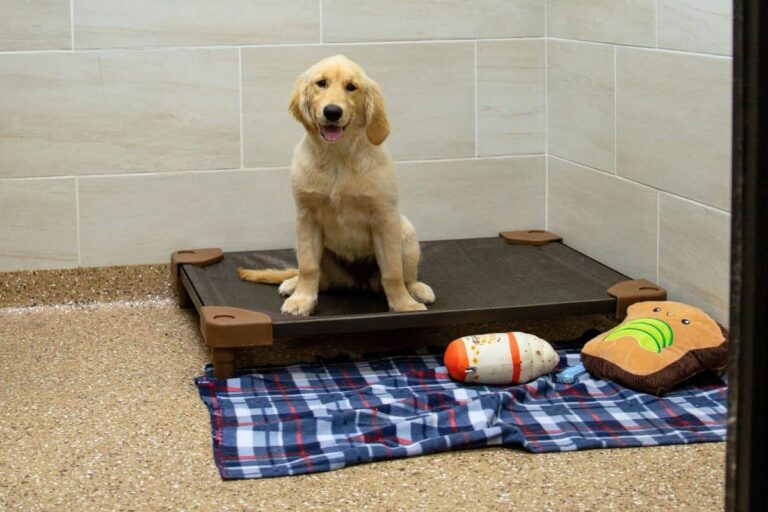
Dog Boarding Near Me: How to Find a Safe & Trusted Place for Your Dog
Looking for trusted dog boarding near you We provide safe comfortable and loving care for your dog with experienced handlers hygienic spaces and flexible booking