
Your dog growls. Snaps. Lunges at strangers. Maybe even at you.
And suddenly every walk feels like a public performance you didn’t sign up for.
If you’re here, you’re probably exhausted. Embarrassed. Maybe even scared. I’ve worked with dogs who looked like they wanted to eat the mailman for breakfast — and I’ve seen those same dogs curl up like marshmallows once the right plan was in place.
Let’s be honest. Aggressive dog training isn’t about “fixing a bad dog.” It’s about understanding fear, frustration, confusion — and sometimes pain.
And no, yelling louder won’t solve it.
This guide breaks down:
- What aggressive dog behavior really means
- What actually works in aggressive dog training
- What you must avoid (seriously)
- Practical training steps
- Tools that help
- FAQs (optimized for AEO and search intent)
We’ll also reference trusted resources like the American Kennel Club and the ASPCA, along with helpful training guides from Pet-U.
Let’s dig in.
What Is Aggression in Dogs, Really?
Before jumping into aggressive dog training, we need to define aggression.
Aggression is behavior meant to increase distance. That’s it.
Your dog isn’t plotting world domination. He’s saying:
“Back up. I’m uncomfortable.”
Aggression can look like:
- Growling
- Snapping
- Lunging
- Biting
- Hard staring
- Stiff body posture
- Raised hackles
But here’s the nuance most people miss: aggression is often the last warning. There were signals before it.
Lip licking. Yawning. Turning away. Freezing.
Most humans miss those.
Types of Aggression (Because Not All Aggression Is the Same)
Understanding the type matters. Training differs depending on the trigger.
| Type of Aggression | Common Triggers | Typical Scenario |
| Fear Aggression | Strangers, loud noises | Dog backs up, then snaps |
| Resource Guarding | Food, toys, bed | Growls if you approach bowl |
| Territorial Aggression | Visitors, delivery drivers | Barking/lunging at door |
| Leash Reactivity | Other dogs on walks | Explosive barking on leash |
| Pain-Based Aggression | Touching injured area | Snaps when handled |
| Redirected Aggression | High arousal situations | Bites owner during dog fight |
Step one of aggressive dog training? Identify the type.
Guessing leads to mistakes. And mistakes escalate behavior.
The Biggest Myth in Aggressive Dog Training
Let’s say it clearly.
Dominance theory is outdated.
The idea that your dog is trying to “be alpha” has been widely debunked. Even the original wolf researcher who popularized it, Dr. David Mech, corrected the interpretation.
Yelling, alpha rolling, shock corrections? They suppress behavior temporarily. They don’t fix the root cause.
And often — they make aggression worse.
The American Veterinary Society of Animal Behavior has published position statements discouraging punishment-based methods for aggression.
Why?
Because fear + pain = escalation.
Not obedience.
What Actually Works in Aggressive Dog Training
Now the part you came for.
Here’s what works.
1. Veterinary Check First
Always. No exceptions.
Pain-based aggression is real. Arthritis, ear infections, thyroid imbalances — all can cause irritability.
I once worked with a dog labeled “unpredictable.” Turned out he had severe hip dysplasia. After treatment? Behavior improved dramatically.
Rule: If aggression appears suddenly, see a vet.
2. Management Before Modification
This is unsexy but critical.
Management means preventing rehearsal of aggressive behavior.
Because every time your dog practices lunging? The behavior strengthens.
Management tools:
- Baby gates
- Leash and harness control
- Muzzles (properly conditioned)
- Controlled exposure
- Separate feeding areas
If you’re struggling with leash reactivity, check structured training resources like those at Pet-U’s training section. Prevention buys you time.
And time reduces stress.
3. Desensitization and Counterconditioning (DS/CC)
This is the gold standard.
It sounds technical. It’s not.
Desensitization = Gradual exposure at a low intensity.
Counterconditioning = Pairing trigger with something positive.
Example:
Dog reacts to strangers at 5 feet.
Start at 50 feet.
Stranger appears → dog gets high-value treat.
Stranger disappears → treats stop.
Over time:
Stranger = chicken.
Brain rewires.
Slowly decrease distance.
No rushing.
Aggressive dog training fails when people move too fast.
4. Teach an Incompatible Behavior
You can’t lunge and sit calmly at the same time.
Teach cues like:
- “Look at me”
- “Touch” (nose target to hand)
- “Place” (go to mat)
- Automatic check-ins
When trigger appears → dog performs trained behavior → reward.
This builds structure.
Dogs relax when they know what to do.
5. Reinforce Calmness (Yes, Calm Is Trainable)
Many owners reward excitement. Accidentally.
Dog barks → owner talks.
Dog jumps → owner reacts.
Instead:
Reward calm breathing.
Soft eyes.
Loose body.
Quietly say “good” and treat.
Aggressive dog training isn’t always dramatic. Sometimes it’s boring repetition.
And boring works.
6. Use the Right Tools (Not Harsh Ones)
Let’s compare tools honestly.
| Tool | Helpful? | Why / Why Not |
| Front-clip harness | Yes | Better control without pain |
| Head halter | Sometimes | Requires proper conditioning |
| Basket muzzle | Yes (when trained properly) | Safety tool, not punishment |
| Prong collar | Risky | Can increase fear/aggression |
| Shock collar | Not recommended | Suppresses, doesn’t solve |
If safety is a concern, muzzle training is smart. The ASPCA provides guidance on humane training methods.
Muzzles are seatbelts. Not shame devices.
What to Avoid in Aggressive Dog Training
Now let’s talk about what not to do. Because this matters.
1. Don’t Punish the Growl
Growling is communication.
If you punish it?
The dog skips the warning next time.
And goes straight to bite.
You want the warning.
Always.
2. Don’t Flood the Dog
Flooding = overwhelming exposure.
Example:
Dog fears strangers → bring 10 strangers over.
That’s not therapy. That’s trauma.
Aggression increases under flooding.
Slow exposure wins.
3. Don’t Rely on “Board and Train” Without Research
Some facilities use heavy correction.
Ask:
- What methods do you use?
- Do you use e-collars?
- Can I observe sessions?
If they won’t answer clearly? Walk away.
Resources like Pet-U offer education so owners stay involved — and that involvement matters.
Aggressive dog training is not a drop-off service.
It’s a relationship process.
4. Don’t Ignore Your Own Emotions
Dogs read tension.
If you tighten the leash and hold your breath every time you see another dog, guess what your dog thinks?
“Danger confirmed.”
Breathe. Loosen shoulders. Practice neutral body language.
Yes, your energy matters.
A Step-by-Step Framework for Aggressive Dog Training
Let’s structure this clearly.
Step 1: Identify Trigger
What exactly causes the reaction?
Step 2: Measure Threshold
At what distance/intensity does reaction begin?
Step 3: Create Controlled Exposure
Below threshold only.
Step 4: Pair with High-Value Reward
Chicken > kibble. Always.
Step 5: End on Success
Short sessions. 5–10 minutes.
Step 6: Repeat. Repeat. Repeat.
Consistency > intensity.
How Long Does Aggressive Dog Training Take?
Honest answer?
It depends.
Factors include:
- Severity
- Consistency of owner
- Environment
- Dog’s history
- Genetics
Here’s a general estimate:
| Severity | Timeframe |
| Mild reactivity | 4–8 weeks |
| Moderate aggression | 3–6 months |
| Severe bite history | 6+ months with professional support |
There is no overnight fix.
Anyone promising that? Be skeptical.
When to Hire a Professional
DIY works for mild cases.
But seek help if:
- Dog has bitten
- You feel unsafe
- Children are involved
- Aggression escalates
Look for:
- Certified behavior consultants
- Positive reinforcement trainers
- Veterinary behaviorists
Organizations like the Certification Council for Professional Dog Trainers help locate qualified trainers.
Frequently Asked Questions (FAQ)
What is the best method for aggressive dog training?
The most effective method combines desensitization and counterconditioning. It changes emotional response rather than suppressing behavior.
Can aggressive dogs be cured?
Some can be fully rehabilitated. Others can be managed successfully. “Cure” isn’t always the goal — safety and reduced stress are.
Are shock collars effective for aggressive dog training?
They may suppress behavior short term. But they increase fear and risk of escalation. Most behavior experts advise against them.
How do I stop my dog from growling at guests?
Create distance. Use controlled introductions. Pair guest presence with high-value treats at a safe threshold.
Is aggression always permanent?
No. Many cases improve dramatically with consistent training and proper management.
Can puppies show aggression?
Yes. Early intervention is critical. Puppy socialization programs — like those highlighted at Pet-U — help prevent escalation.
Internal Resources You May Find Helpful
If you’re dealing with behavioral issues, structured learning matters. Pet owners often benefit from educational resources and guided training approaches available at:
- https://pet-u.net/
- https://pet-u.net/ (behavior and obedience sections)
Prevention is easier than rehabilitation. Always.
External Resources for Deeper Learning
- American Kennel Club – https://www.akc.org/
- ASPCA Behavior Resources – https://www.aspca.org/
- AVSAB Position Statements – https://avsab.org/
These organizations provide science-backed guidance.
Final Thoughts: Let’s Be Real
Aggressive dog training isn’t glamorous.
It’s early morning sessions.
It’s carrying chicken in your pocket.
It’s walking the long way to avoid triggers.
It’s patience when you’d rather quit.
But here’s the truth:
Most aggressive dogs aren’t “bad.” They’re overwhelmed. And when you help them feel safe? The transformation is powerful. I’ve seen dogs go from lunging nightmares to calm walking partners. Not perfect. But manageable. Happy. So if you’re in the thick of it right now — take a breath. Progress may feel slow. But slow is still forward. And if you need structured guidance, education, or support, explore reputable resources like Pet-U and certified trainers who prioritize humane methods.
Dog Training Near Me: What Local Trainers Should Really Offer Your Dog
Searching for dog training near me Our expert trainers provide personalized obedience training puppy training and behavior correction programs to help your dog become well
Dog Daycare and Boarding Near Me: One Solution for Busy Pet Parents
Searching for reliable dog daycare and boarding near me We offer safe supervised daycare and comfortable overnight boarding so your pet stays happy healthy and
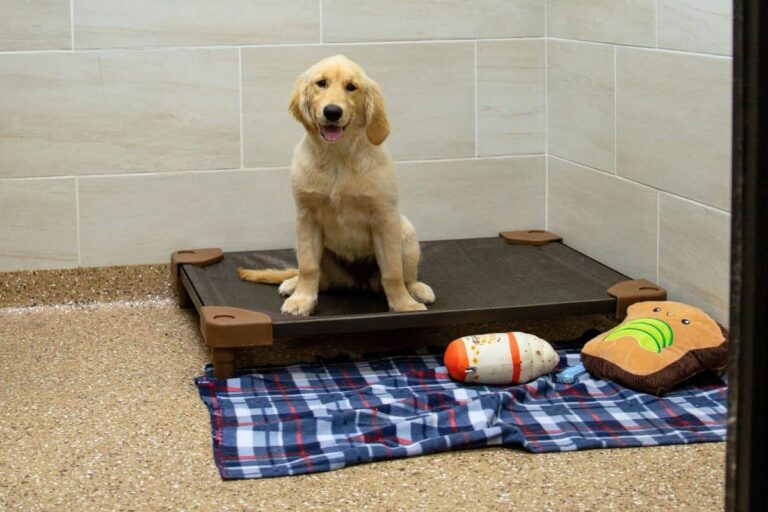
Dog Boarding Near Me: How to Find a Safe & Trusted Place for Your Dog
Looking for trusted dog boarding near you We provide safe comfortable and loving care for your dog with experienced handlers hygienic spaces and flexible booking