

M
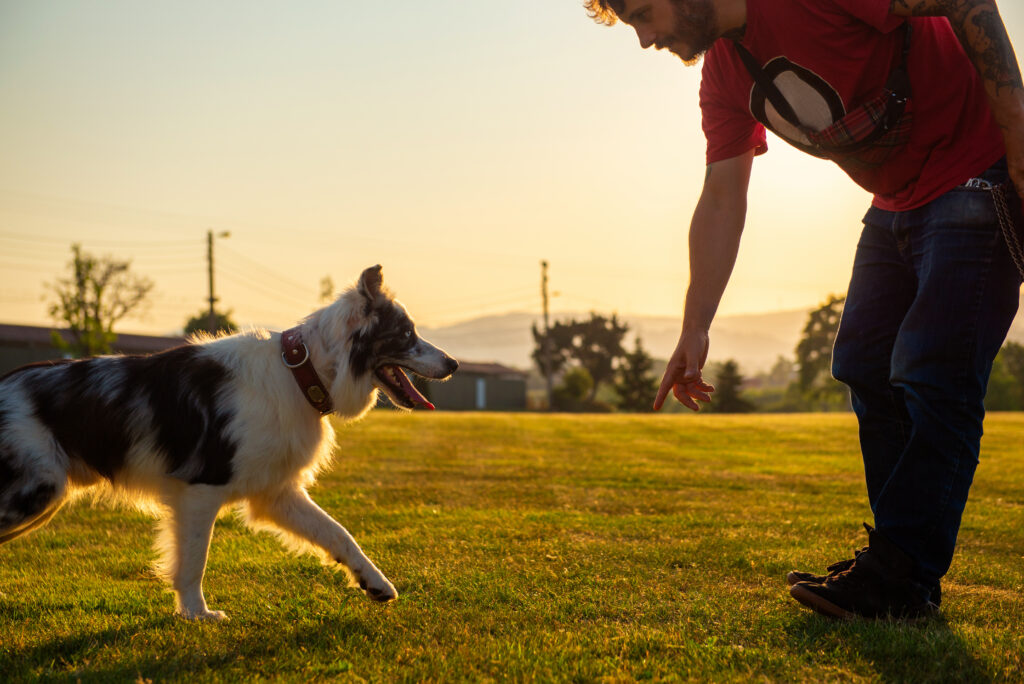
Most dog parents dream of it: walking through the park with your dog by your side, no leash, no pulling, just freedom and trust. It looks effortless, but the truth is, off-leash canine training takes time, structure, and a lot of consistency.
Not every dog is instantly ready to go off-leash. Solid recall, focus under distractions, and impulse control all need to be in place first. If your pup doesn’t yet have those basics down, the smartest step is to start with a basic obedience training program. That’s where the foundation gets built, and once that’s in place, you can safely move toward off-leash skills.
What Is Off-Leash Canine Training?
Off-leash canine training is exactly what it sounds like: teaching your dog to obey commands and stay focused without the physical control of a leash. Instead of relying on a leash to stop pulling or wandering, you rely on your dog’s training, recall, and trust.
The American Kennel Club explains that reliable recall is at the core of off-leash work. If your dog won’t come when called 100% of the time, they’re not ready to ditch the leash.
It’s freedom, but it’s earned freedom, and only safe when the foundations are rock solid.
Is Off-Leash Training Good for Dogs?
The short answer: yes, for the right dog in the right environment. Off-leash training gives dogs:
- Freedom to move naturally and get more exercise.
- Mental stimulation from exploring safely.
- Confidence — they learn independence while still listening.
- A stronger bond with you built on trust, not control.
This is important; not every dog is suited for it. Some breeds have strong prey drives, some dogs struggle with anxiety, and others may simply be happier with the structure of a leash.
How Do I Know If My Dog Is Ready to Go Off-Leash?
Not sure if your dog is ready? Here’s a quick checklist:
| Readiness Sign | What It Looks Like |
| Solid recall | Comes when called, even with distractions. |
| Impulse control | Doesn’t dart after squirrels, bikes, or kids. |
| Focus on you | Checks in often, even without commands. |
| Basic obedience mastered | Sit, stay, down, and heel are reliable. |
| Calm temperament | Not overly anxious or aggressive around other dogs/people. |
If you can’t confidently check these boxes, your pup isn’t ready for true off-leash work yet, and that’s totally fine. It just means you need to go back to the basics. Building reliable obedience is the first step, and once your dog has those foundations, the transition to off-leash becomes much smoother.
That’s exactly why it makes sense to start with a basic obedience training program before unclipping the leash. It gives your dog the structure and skills they’ll need to succeed when it’s time for more freedom.
Steps to Start Off-Leash Training Safely
Here’s how to start off-leash training the smart way:
- Begin in a fenced yard or a safe enclosed area. Never start in open spaces.
- Use a long line. It gives your dog freedom but still keeps them under control.
- Build recall first. Practice “come” with rewards, starting with low distractions and working your way up.
- Introduce distractions gradually. Don’t go from backyard to dog park overnight.
- Keep sessions short and positive. Quit while you’re ahead.
The RSPCA stresses that gradual recall training is the foundation of safe off-leash work, and we couldn’t agree more.
What to Do If Your Dog Takes Off
It happens. Even the best-trained dogs sometimes ignore commands. Here’s what to do:
- Don’t chase. It turns into a game.
- Call once, firmly. Use your recall command, if you’ve trained it well, they should return.
- Stay calm. Yelling only makes things worse.
- Safety nets: Make sure your dog always has ID tags, a microchip, or even a GPS collar.
Also, remember that leash laws vary. In most of Wisconsin, dogs must be leashed in public areas unless it’s a designated off-leash park. Keep that in mind before unclipping.
Benefits of Off-Leash Dog Training
Done right, the benefits are huge:
- More physical exercise than leash walks alone.
- Builds trust between you and your dog.
- Strengthens bonding, your dog learns to follow you, not the leash.
- Gives your pup mental freedom while still being under your control.
Risks of Off-Leash Dog Training
It’s not all upside down. Risks include:
- Traffic hazards if your dog bolts.
- Wildlife encounters (especially in Wisconsin’s parks and trails).
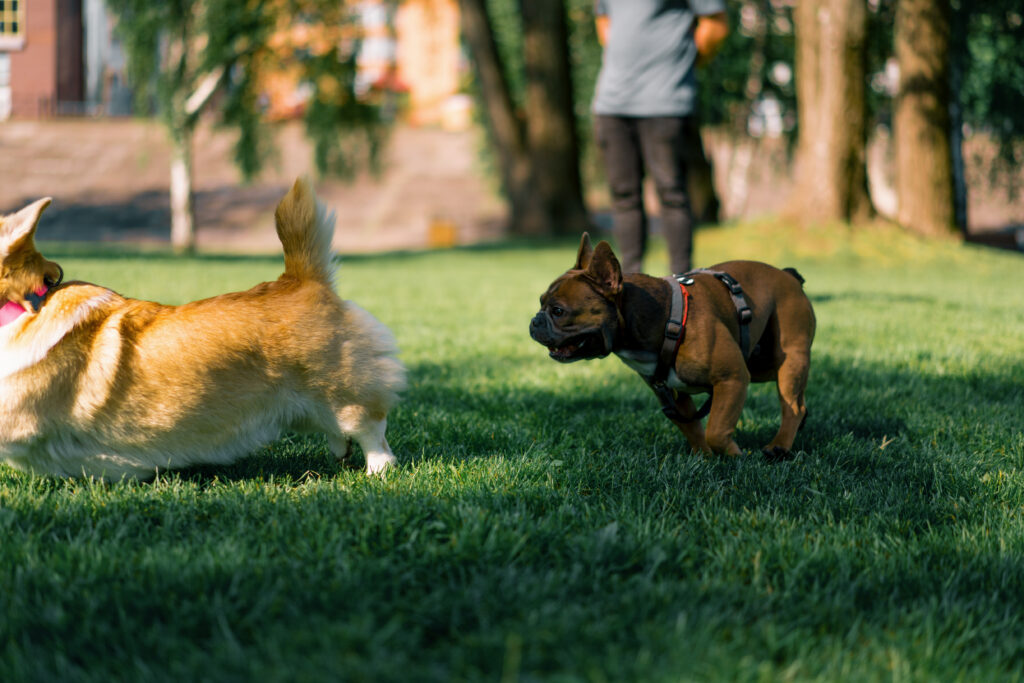
- Other dogs may not be friendly.
- Legal issues in areas with strict leash laws.
- False confidence. A dog who’s “pretty good” on recall is not ready for true off-leash freedom.
The VCA Animal Hospitals highlight that even well-trained dogs can make dangerous mistakes, which is why owners need to be realistic about their dog’s abilities.
Frequently Asked Questions
How long does off-leash training take?
It depends on your dog’s age, breed, and temperament. Some dogs pick it up in a few months; others may need a year or more of consistent training.
Can every dog be trained off-leash?
No. Some dogs, especially those with strong hunting instincts or high anxiety, may never be fully reliable. And that’s okay. Off-leash isn’t for every dog.
Is off-leash training legal in public places?
Not always. In Wisconsin, most city ordinances require dogs to be leashed in public unless you’re in a designated off-leash area. Always check local rules.
Do I need special tools?
Some trainers use long lines, GPS collars, or e-collars responsibly. But obedience and recall must come first before introducing any advanced tools.
A Word From PetU
Here’s the thing about off-leash canine training: it looks simple when you see it, but behind the scenes, it’s hours of recall practice, patience, and trust-building. Not every dog is ready, and not every dog will be a good candidate, and that’s okay.
But when does it come together? There’s nothing like watching your pup run free and still come sprinting back the moment you call. That’s real trust.
If you’re not sure where to begin, start small. Work on basic obedience training first, it’s the foundation everything else is built. Once your dog has those core skills, off-leash training becomes far safer and more rewarding.

Aggressive Dog Training: What Actually Works (And What to Avoid)
Searching for a trusted doggy daycare near me Give your pet a fun safe and caring environment with supervised playtime socialization and proper care throughout
Dog Training Near Me: What Local Trainers Should Really Offer Your Dog
Searching for dog training near me Our expert trainers provide personalized obedience training puppy training and behavior correction programs to help your dog become well

Dog Daycare and Boarding Near Me: One Solution for Busy Pet Parents
Searching for reliable dog daycare and boarding near me We offer safe supervised daycare and comfortable overnight boarding so your pet stays happy healthy and