
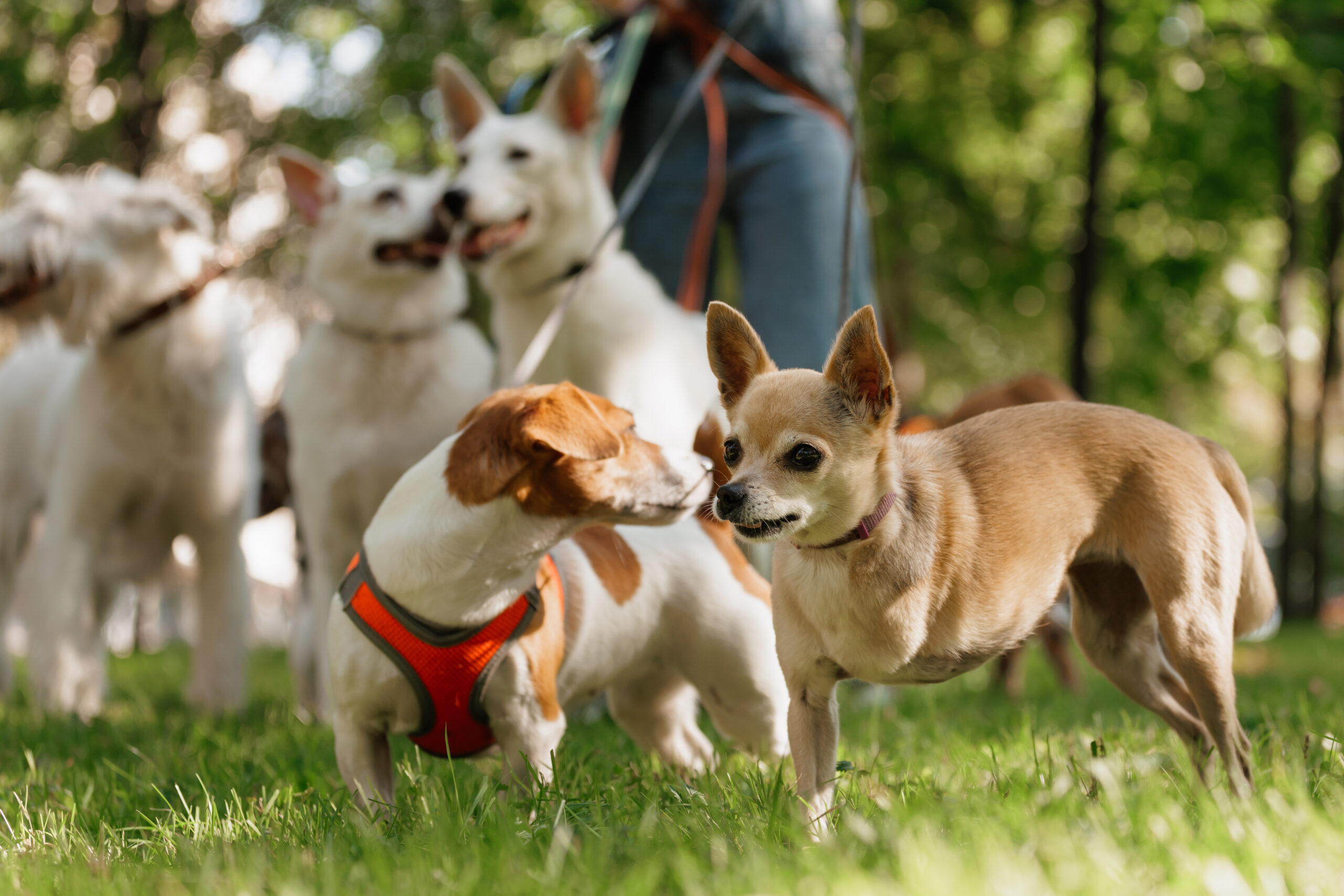
When most people think of dog training, they imagine teaching “sit” or “stay.” But there’s another side to raising a happy, confident dog that’s just as important: socialization.
For both energetic puppies and cautious rescue dogs, socialization classes for dogs provide structured experiences that help them adjust to the world around them. These classes don’t just create better-behaved dogs; they build dogs who feel safe, adaptable, and connected to their families.
What Are Socialization Classes for Dogs?
Socialization classes for dogs are structured sessions where dogs learn to interact positively with new environments, people, and other dogs. Instead of focusing solely on commands, these classes emphasize exposure and confidence.
Common features of socialization classes include:
- Supervised playtime with other dogs
- Controlled exposure to new sounds, objects, and environments
- Positive reinforcement to encourage calm behavior
- Guidance for owners on reading dog body language
The American Veterinary Society of Animal Behavior (AVSAB) notes that proper socialization is one of the most important factors in preventing future behavior problems.
Why Socialization Matters for Puppies
For puppies, the critical socialization window is between 3 and 14 weeks of age. During this time, experiences shape how they’ll respond to the world as adults.
Benefits of early socialization for puppies:
- Reduces fear of new situations, people, and places
- Encourages confidence and curiosity
- Prevents problem behaviors like fear-based aggression or anxiety
- Builds the foundation for good manners around other dogs
At this stage, socialization classes for dogs offer safe, structured environments where young pups can explore without feeling overwhelmed.
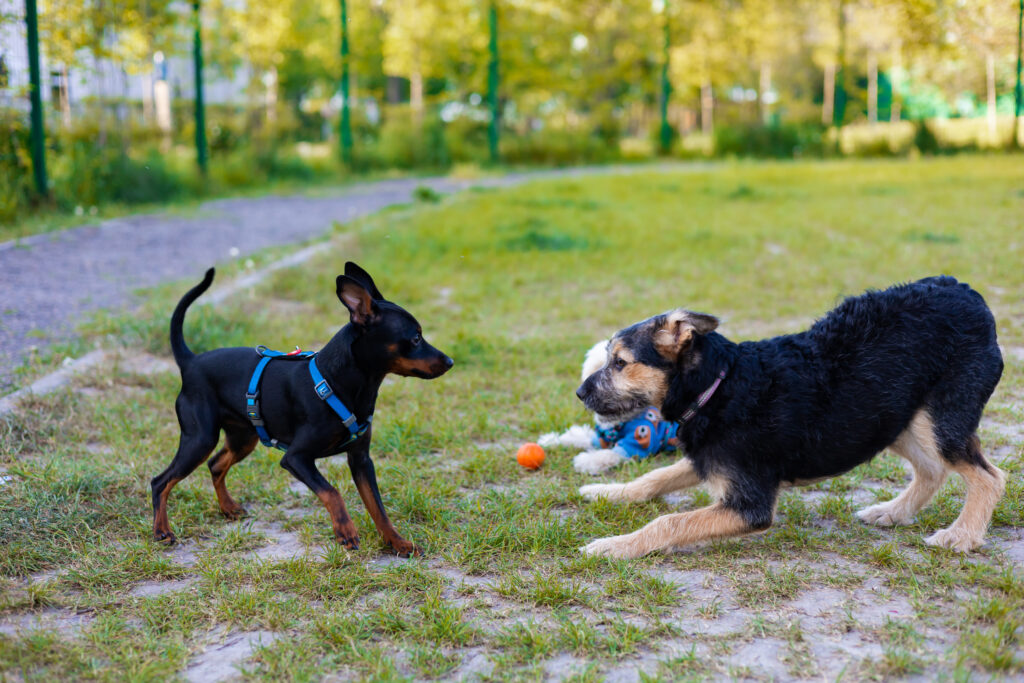
Why Socialization Is Equally Important for Rescue Dogs
Rescue dogs often come with unknown backgrounds. Some may have missed early socialization, while others may have had negative experiences.
Socialization classes for rescues can:
- Rebuild trust in people and environments
- Teach them how to safely interact with other dogs
- Help reduce anxiety and reactivity
- Give them positive, consistent experiences to replace past traumas
This process takes patience, but structured classes can dramatically improve a rescue dog’s quality of life.
What Happens in a Socialization Class?
A typical class balances exposure, play, and calm learning.
Here’s what you might see:
| Activity | Purpose | Example |
| Supervised play | Builds dog-to-dog skills | Puppies learn bite inhibition through gentle play |
| Exposure to sounds | Reduces noise sensitivity | Hearing doorbells, vacuum cleaners, or traffic sounds |
| Handling practice | Builds comfort with touch | Trainers touch paws, ears, tails—preparing for vet visits |
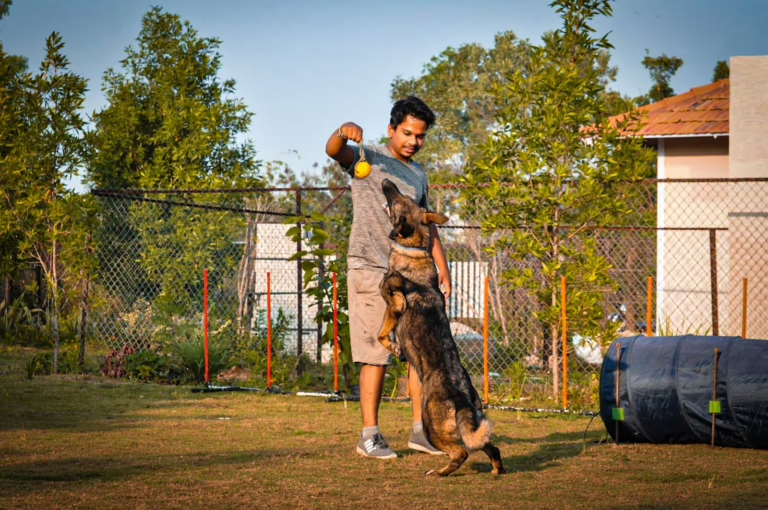
| Confidence exercises | Encourages curiosity | Walking on different surfaces or through tunnels |
These activities are designed to be positive and fun, so dogs associate new experiences with safety and reward.
Mistakes to Avoid in Socialization
Even with good intentions, owners sometimes make missteps:
- Exposing dogs to overwhelming situations too quickly
- Failing to reward calm behavior consistently
- Allowing negative interactions with other dogs
- Stopping socialization after puppyhood
Socialization is an ongoing process. Dogs benefit from continued exposure and positive experiences throughout their lives, not just during their first few months.
For Milwaukee-area families, safe local options like PetU’s group programs provide ongoing socialization in a structured setting.
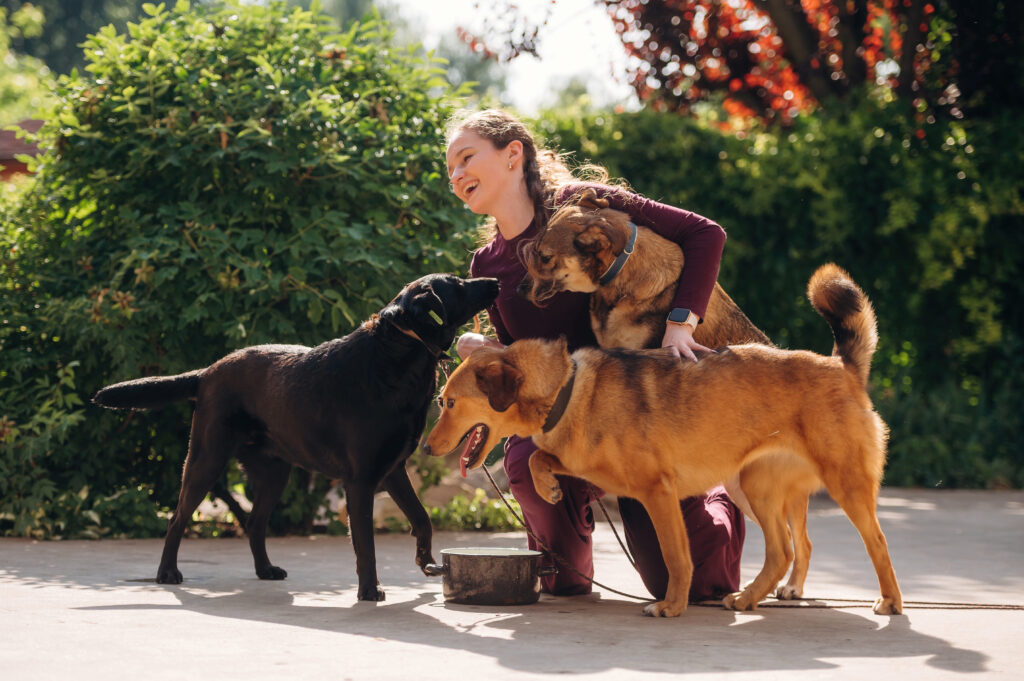
Long-Term Benefits of Socialization Classes for Dogs
Dogs who participate in structured socialization classes are more likely to grow into:
- Calm, confident companions
- Dogs who walk politely in public
- Safer pets who recover quickly from stress
- Better candidates for advanced training or therapy work
According to the Humane Society, well-socialized dogs are less likely to develop behavior problems and more likely to remain in lifelong homes.
FAQs About Socialization Classes for Dogs
Q: When should I start socialization for my puppy?
A: As early as 8 weeks, once they’ve had initial vaccinations and your vet approves.
Q: Are socialization classes safe for rescues with anxiety?
A: Yes, when done gradually and under professional supervision. Trainers can adapt activities for nervous dogs.
Q: Do socialization classes replace obedience training?
A: No. They work best together. Obedience builds skills, and socialization builds confidence.
Q: How long does it take to see results?
A: Many puppies show improvement within weeks, while rescues may need months of consistent exposure.
Thoughts on Socialization classes for dogs
Socialization classes for dogs are more than playdates; they’re essential building blocks for raising safe, confident companions. Whether you’re starting fresh with a puppy or helping a rescue adjust, these classes give dogs the tools to thrive in a busy, unpredictable world.
For families in Milwaukee, Mequon, and Racine, structured programs like those offered at PetU provide safe, positive environments and large outdoor areas to help dogs succeed. If you’re curious about the right first steps, you can always reach out to us through our contact page for guidance.
Aggressive Dog Training: What Actually Works (And What to Avoid)
Searching for a trusted doggy daycare near me Give your pet a fun safe and caring environment with supervised playtime socialization and proper care throughout
Dog Training Near Me: What Local Trainers Should Really Offer Your Dog
Searching for dog training near me Our expert trainers provide personalized obedience training puppy training and behavior correction programs to help your dog become well

Dog Daycare and Boarding Near Me: One Solution for Busy Pet Parents
Searching for reliable dog daycare and boarding near me We offer safe supervised daycare and comfortable overnight boarding so your pet stays happy healthy and