
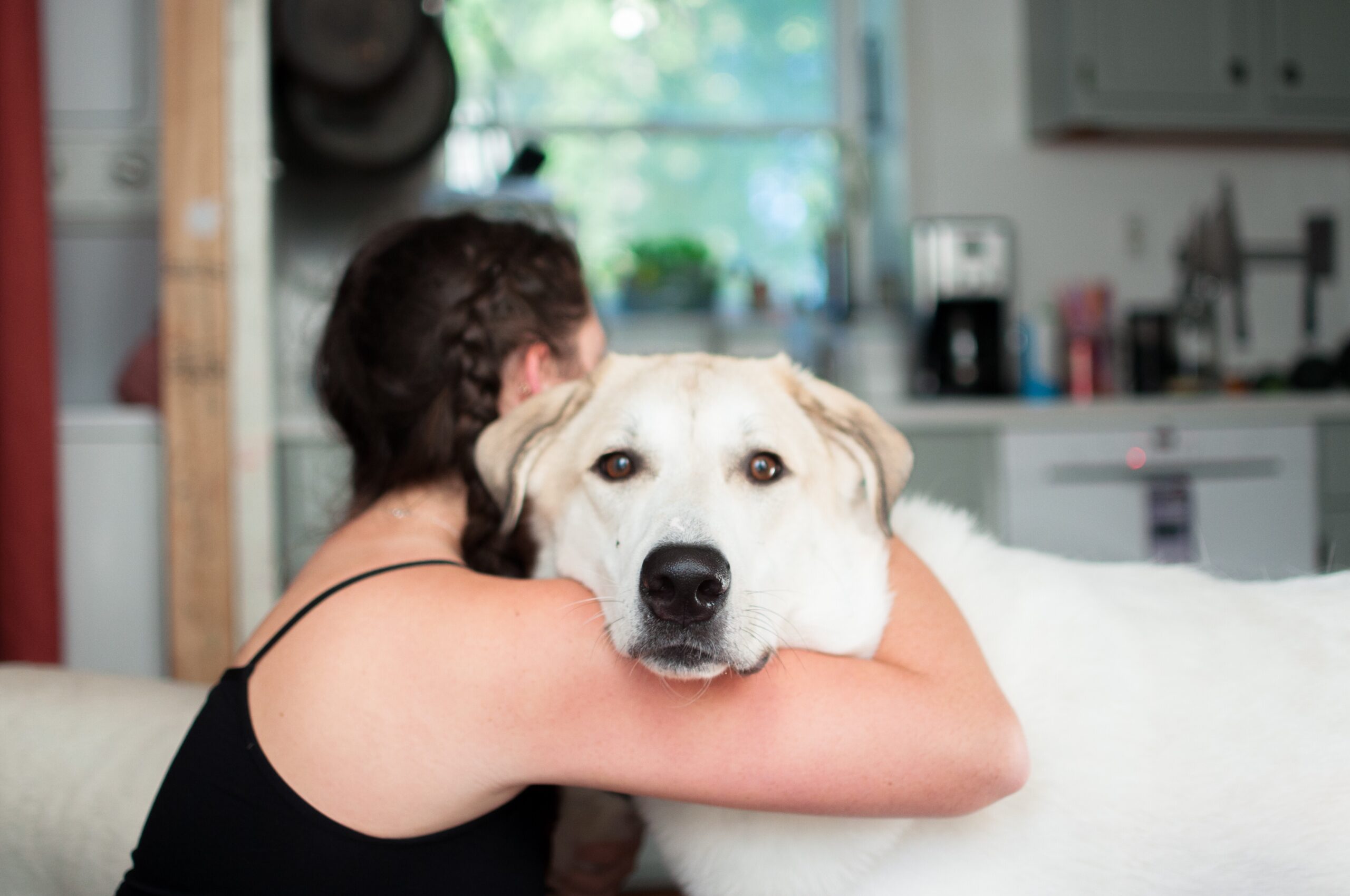
It’s one of the hardest things for dog parents to face: walking out the door and hearing your dog cry, bark, or scratch because they can’t handle being alone. If this sounds familiar, you’re not alone. Many families deal with it, and the good news is that there are solutions.
Dog separation anxiety training is all about teaching your pup that being alone isn’t scary. With patience, structure, and the right methods, you can help your dog feel calm and confident, even when you’re not home.
What Is Dog Separation Anxiety?
Separation anxiety happens when a dog feels extreme stress whenever they’re left alone or separated from their owner. It’s more than just missing you — it’s a panic response.
According to the ASPCA, dogs with separation anxiety often show signs like:
- Barking or howling nonstop
- Chewing, digging, or destroying furniture
- Accidents indoors, even if house-trained
- Pacing, drooling, or trembling
- Attempts to escape (sometimes injuring themselves)
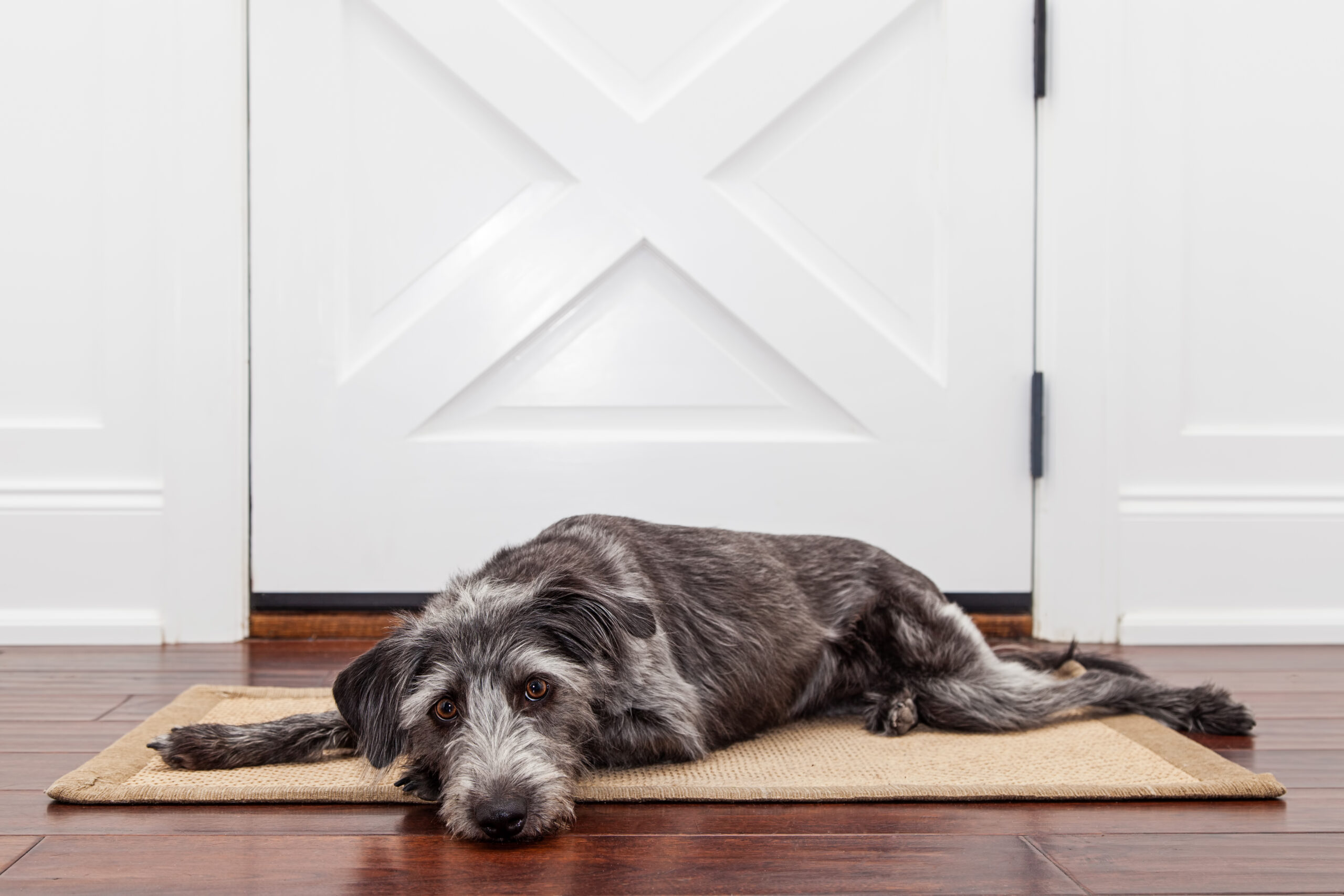
Why Do Dogs Suffer From Separation Anxiety?
There isn’t one simple reason, but common causes include:
- Changes in routine — like when you go back to work after being home a lot.
- Moving to a new home — unfamiliar environments can trigger stress.
- Family changes — adoption, the loss of a companion, or schedule shifts.
- Lack of independence training — dogs never learned to be comfortable alone.
As the Humane Society notes, some dogs are simply more prone to anxiety, especially rescues or those with very strong attachments.
Dog Separation Anxiety Training: First Steps
Here’s where training comes in. The goal isn’t to “cure” overnight, it’s to slowly reframe how your dog feels when you leave.
How To Help a Dog With Separation Anxiety
So, what can you actually do? Here are the basics:
- Start with short absences. Leave for a minute or two, then build up slowly.
- Make alone time positive. Give special toys or treats when you leave.
- Exercise before leaving. A tired dog is a calmer dog.
- Keep goodbyes/hellos simple. No big drama. Quiet exits work best.
- Practice daily. Even 5 minutes of alone time helps build tolerance.
The AKC stresses consistency and calmness. You’re teaching your dog that being alone is safe and temporary.
Step-by-Step Dog Separation Anxiety Training
Step 1: Teach Alone Time in Small Doses
Start with seconds, then minutes. Don’t push too fast.
Step 2: Create Positive Associations
Kongs, puzzle feeders, or lick mats given only when you leave can help.
Step 3: Exercise Before You Leave
Walks, fetch, or training sessions take the edge off.
Step 4: Keep Departures/Returns Low-Key
Your calm energy sets the tone.
Step 5: Extend Slowly
Work up to longer absences gradually. Some dogs need weeks; others take months.
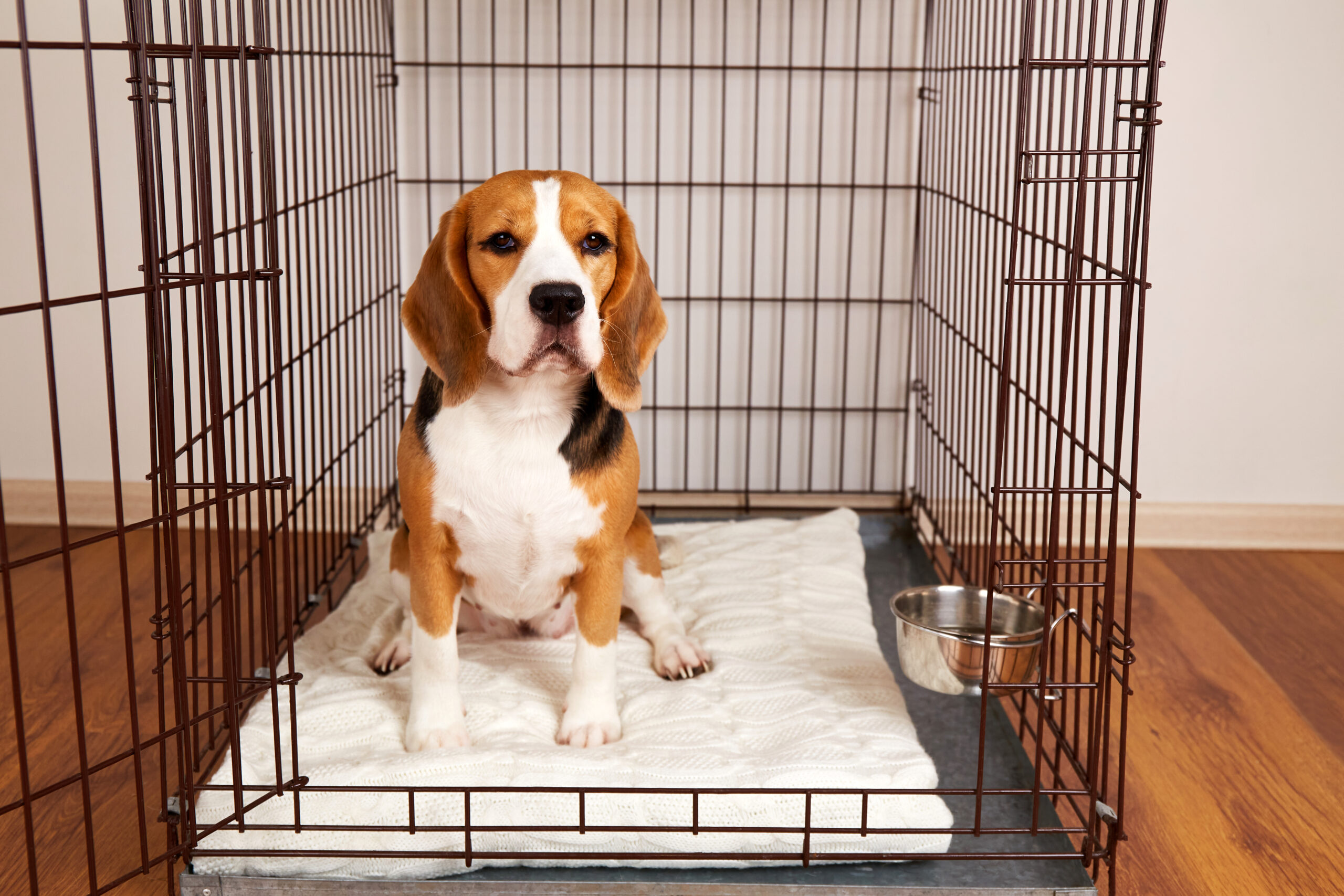
Should You Crate a Dog With Separation Anxiety?
This one’s tricky, and the answer is: it depends.
- For some dogs, a crate feels like a cozy den and helps them relax.
- For others, it increases panic and makes things worse.
If you’ve already done positive crate training and your dog loves their crate, it can help. But never force it. The VCA Animal Hospitals recommend testing short crated absences first to see how your dog responds.
Training Tools That Help
| Tool | How It Helps |
| Interactive toys | Keeps dogs occupied and distracted. |
| Food puzzles | Adds mental stimulation during alone time. |
| Crates (if introduced positively) | Can provide a safe, cozy space. |
| White noise / calming music | Reduces outside triggers. |
| Pet cameras | Let’s you monitor progress. |
Common Mistakes to Avoid
Even with the best intentions, some mistakes make separation anxiety worse:
- Punishing your dog for destructive behavior (they’re panicking, not misbehaving).
- Leaving too long, too soon.
- Making departures dramatic.
- Skipping daily practice.
When to Get Professional Help
Sometimes you’ll need backup. Options include:
- Professional trainers who focus on behavior modification.
- Veterinary support for dogs who may need medication alongside training.
- Dog daycare or hybrid programs to break up long hours alone.
Dog separation anxiety training takes patience. There will be setbacks. There will be progress. The key is to go slow, keep it positive, and never punish anxiety-driven behavior.
The goal isn’t perfection, it’s helping your dog feel safe and confident even when you’re not around. And when that day comes, when you can walk out the door and your pup simply settles down? That’s a win worth every ounce of effort.
Need help getting there? Check out PetU’s training programs in Milwaukee, Racine, and Mequon. Together, we’ll help your dog learn that being alone isn’t so scary after all.
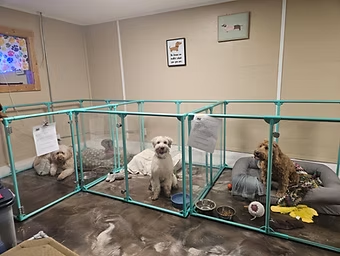
Aggressive Dog Training: What Actually Works (And What to Avoid)
Searching for a trusted doggy daycare near me Give your pet a fun safe and caring environment with supervised playtime socialization and proper care throughout
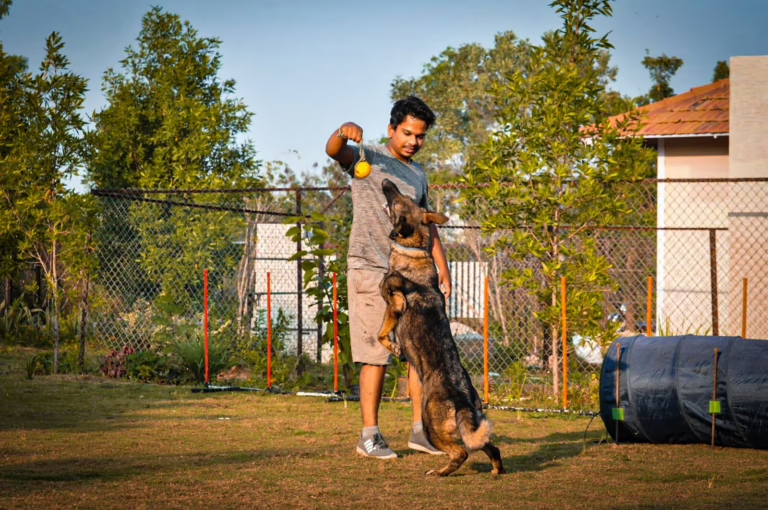
Dog Training Near Me: What Local Trainers Should Really Offer Your Dog
Searching for dog training near me Our expert trainers provide personalized obedience training puppy training and behavior correction programs to help your dog become well
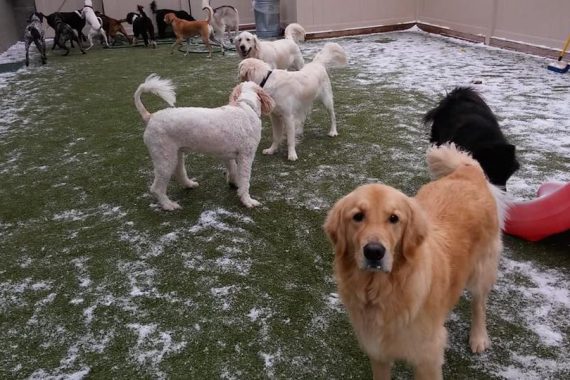
Dog Daycare and Boarding Near Me: One Solution for Busy Pet Parents
Searching for reliable dog daycare and boarding near me We offer safe supervised daycare and comfortable overnight boarding so your pet stays happy healthy and