
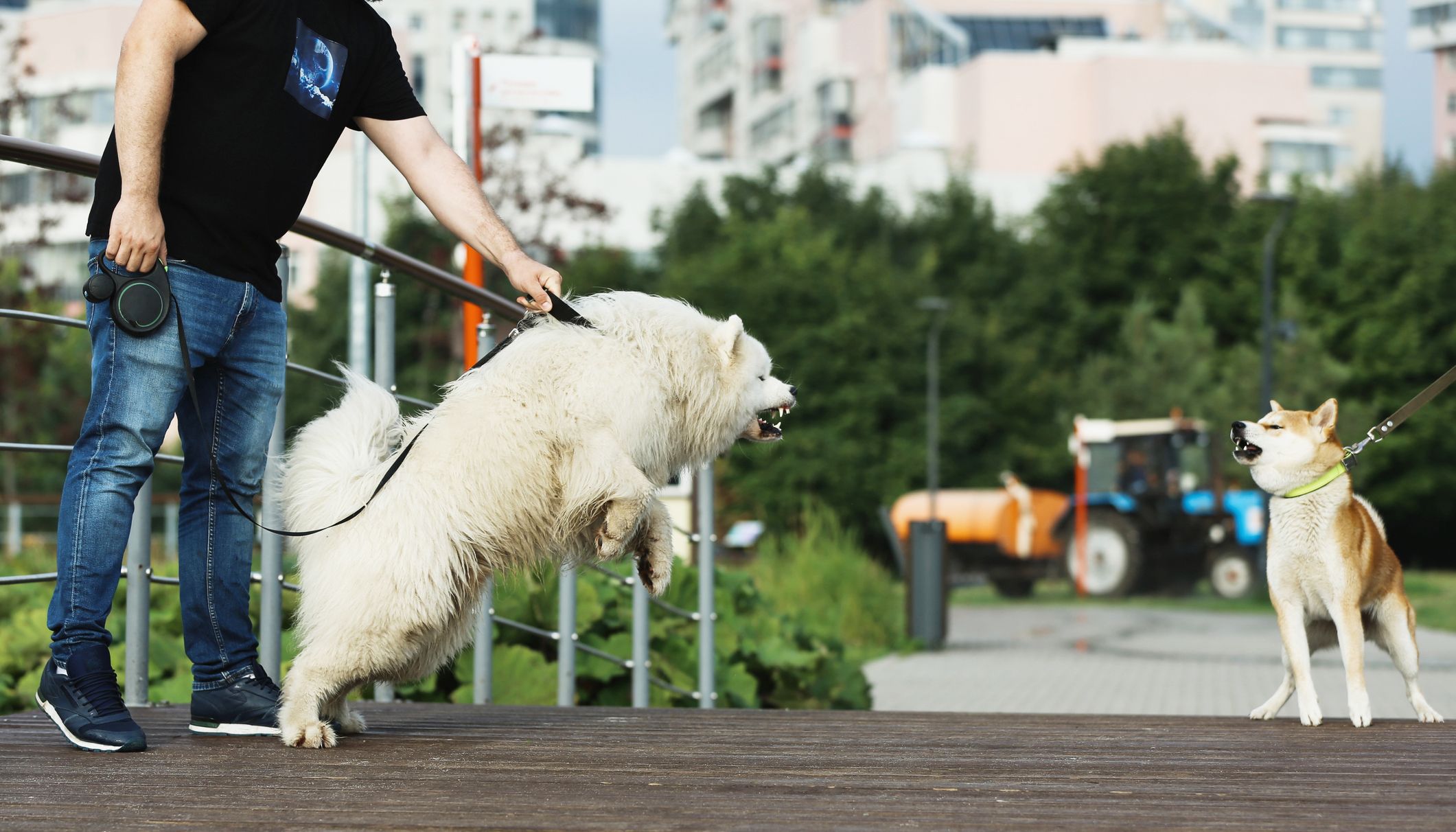
Finding training for reactive dogs near me felt like hunting for a unicorn when I first got Luna, my Belgian Malinois mix. Every sidewalk was a battlefield. Every jogger a threat. Every dog? An enemy combatant. I’d grip the leash with white knuckles, ready to defend my turf and Luna’s ego.
This blog isn’t some robotic breakdown. It’s real talk, real tips, and real solutions for people like you who’ve whispered on late-night walks, “Is this reactive behavior normal? What the heck do I do?” Let’s unpack it together.
What Is Dog Reactivity? Before We Even Talk Training
When people first hear “reactive dog,” they often think aggressive. Not quite.
Reactivity is a behavioral overreaction to certain triggers. It’s emotional, not predatory. That means dogs want to avoidthe trigger not necessarily attack it.
Common triggers include:
- Other dogs
- People in hats or bicycles
- Skateboards
- Kids running
- Sudden noises
Reactive dogs aren’t bad dogs. They’re overwhelmed. And they need more than willpower they need training that works.
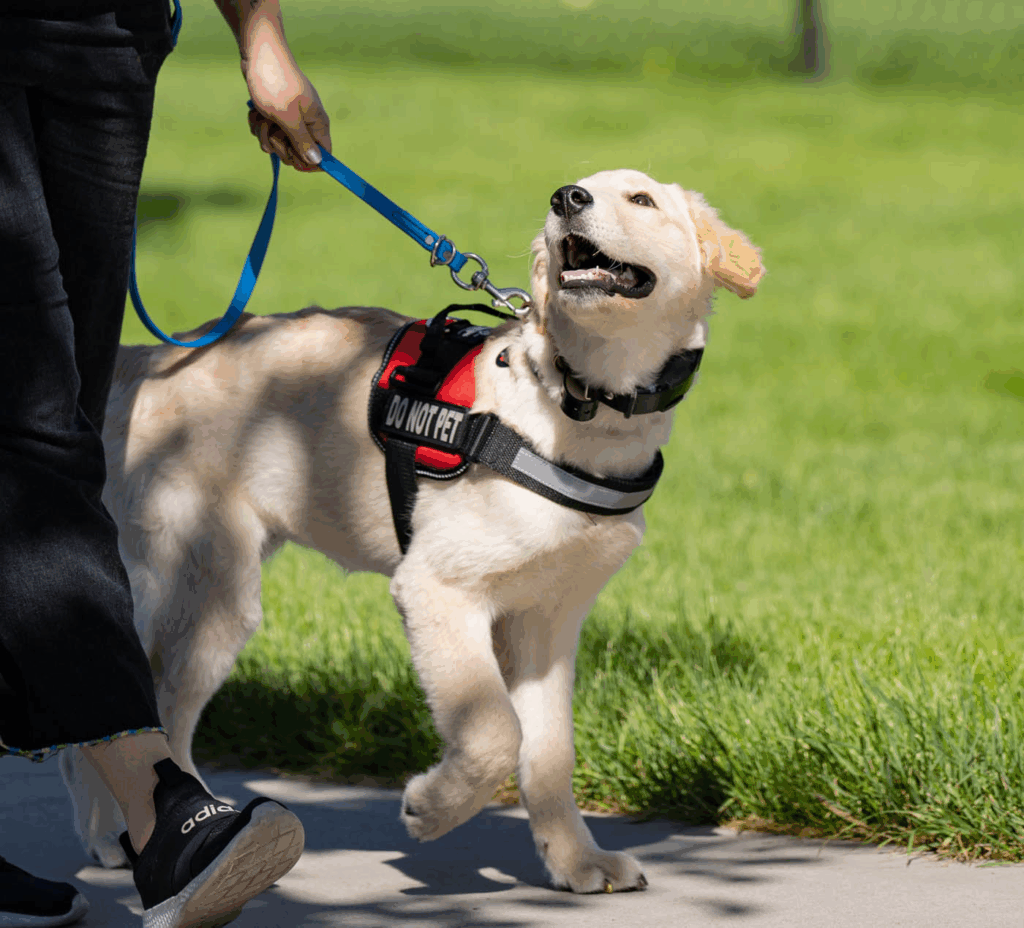
Why You Need Specialized Training for Reactive Dogs
Normal obedience just doesn’t cut it. A reactive dog is operating from emotion, not logic. If you try generic training, you’re basically handing them crash diet advice when they need a nutritionist.
Here’s why targeted training matters:
Reactive Behavior Root Causes
| Cause | Example | Impact |
| Fear | Stranger approaches | Lunging, barking |
| Frustration | Leash tight, sees dog | Barking, spinning |
| Overstimulation | Crowded places | Panting, refusal to focus |
If you’ve typed training for reactive dogs near me, you want a trainer who gets this.
How PetU Approaches Reactive Dog Training
PetU isn’t about “sit-stay-repeat” or dominance lessons. It’s grounded in positive reinforcement, body language understanding, and real-world scenarios. Here’s what sets them apart:
1. Science‑Backed Methodology
They use methods backed by behavioral research (think force-free, reward systems).
2. Real World Practice
Not some sterile room with zero distractions. You train where your dog struggles sidewalks, parks, grocery store fronts.
3. Personalized Protocols
Every reactive dog is different. PetU builds your plan.
4. Owner Empowerment
You learn how to read cues before things blow up.
How to Find the Right “Training for Reactive Dogs Near Me”
When searching, ask yourself these questions:
- Do they focus on positive reinforcement?
- Do they understand canine body language?
- Is there follow-up support?
- Do they offer group and individual sessions?
- Are reviews real and detailed?
Checklist Finding a Great Reactive Dog Trainer
| Criteria | Why It Matters |
| Positive Reinforcement | Builds trust, not fear |
| Trigger‑Specific Work | Directly addresses triggers |
| Real‑World Environments | Ensures practical results |
| Follow‑Up Support | Behavior shifts take time |
| Reviews & Testimonials | Past success is proof |
What You’ll Learn in Reactive Dog Training at PetU
PetU’s program isn’t a one‑off session you forget by dinner. You learn skills that change walks forever.
Core Modules
Module 1: Understanding Dog Language
- Recognizing stress signals
- Calming signals vs. aggression
- Body language before explosion
Module 2: Trigger Thresholds
- Identifying your dog’s threshold
- Gradual exposure techniques
- Building emotional resilience
Module 3: Leash Skills That Make Sense
- Loose leash walking under pressure
- Redirecting attention calmly
- Gear that actually helps
Module 4: Reward Placement & Timing
- What earns treats
- When to praise
- How to phase out food (without losing gains)
Tools & Gear Recommended by PetU
Bad gear can sabotage good training. PetU suggests tools that help, not hurt.
| Tool | Purpose | PetU Tip |
| Front‑clip harness | Better leash control | Use for teaching focus, not correction |
| High‑value treats | Keeps attention | Freeze‑dried meat works wonders |
| Clicker (optional) | Clear communication | Use only during training phases |
| Long line | Safe distance work | Great for trigger exposure |
Local Options: Training for Reactive Dogs Near You
Looking for “training for reactive dogs near me”? Here’s how to find local options:
1. Start with PetU Courses
Check out PetU programs at: https://pet-u.net/
They often list local trainers and workshops.
2. Ask at Local Pet Stores
Stores like Petco, Petsmart, or independent shops often have bulletin boards.
3. Vet & Behaviorist Referrals
Your vet can recommend behavior‑focused trainers.
4. Search Meetup & Groups
Communities of reactive dog owners are gold mines for trainer recommendations.
If you’re in the U.S., organizations like the Association of Professional Dog Trainers (APDT) have searchable directories. (https://www.apdt.com/)
Mistakes Many People Make When Training Reactive Dogs
Let’s be honest reactive dog training is nerve‑wracking. We mess up… a lot.
Here are the most common slip‑ups:
Mistake #1: Pushing Too Close Too Fast
Progress is distance + patience. Rushing = setbacks.
Mistake #2: Chasing “Quick Fixes” Online
Random YouTube drills can make matters worse. Stick to structured programs.
Mistake #3: Punishment
Punishment might suppress a behavior temporarily, but it creates fear. Not what we want.
Mistake #4: Inconsistent Rewards
If you reward attention sometimes but not always, your dog gets confused.
Mistake #5: Ignoring Body Language
Dogs tell you when they’re overwhelmed. If you don’t read them, you’re flying blind.
Case Study: How PetU Helped Milo Walk Calmly
Milo, a 3‑year‑old Shepherd mix, would flip the second he saw another dog. We’re talking pulling, barking, complete meltdown.
His owner, Sarah, tried everything:
- Prong collars
- Choke chains
- Yelling
- Ignoring
Nothing worked.
Then she found PetU.
Week 1: Learning Milo’s thresholds
Week 2: Trigger distance + rewards
Week 4: Real sidewalk practice
By Week 6, Milo walked past other dogs without lunging. Not perfect but calm, curious, and coachable.
Best part? Sarah felt confident, not defeated.
Quick Wins You Can Start Today (Before Formal Training)
Even before you find a trainer, these work:
Short Walk Warm‑Ups
Let your dog sniff the first 5 minutes. It’s like meditation before chaos.
Distance First, Closer Later
If a trigger makes them tense, step back. Then reward calmness.
Teach a Solid Focus Cue
Something like “Look at me.” Reinforce it tons.
Use High‑Value Rewards
Cold‑cut turkey beats kibble near triggers.
These small wins build trust and results.
What to Expect: Realistic Timeline
Dogs don’t flip a switch.
| Week | Expectation |
| 1–2 | Awareness + thresholds |
| 3–4 | Basic focus under mild triggers |
| 5–8 | Real‑world walks with decreasing tension |
| 9+ | Maintenance + gradual challenge increases |
Some dogs are quick learners. Others take time. Both are okay.
Internal & Useful External Resources
Here are links worth exploring:
Internal to PetU
- Training programs: https://pet-u.net/
- Tips & resources: https://pet-u.net/resources
Helpful Articles
- Understanding reactivity from The Humane Society: https://www.humanesociety.org/
- Force‑free training basics from Karen Pryor Clicker Training: https://www.clickertraining.com/
FAQs: Your Questions Answered
What does “training for reactive dogs near me” really mean?
It means finding a local, structured program that helps your dog manage trigger reactions using positive, evidence‑based methods.
Is reactivity the same as aggression?
No. Reactivity is a heightened reaction due to fear or frustration not an intent to harm.
Can all reactive dogs improve?
Yes. Most dogs can learn better coping skills with consistent training.
How long will training take?
Every dog is different. Many see progress in 4–8 weeks with consistent effort.
Do I need special gear?
Helpful, but not mandatory. Tools like front‑clip harnesses and high‑value treats make the process smoother.
Should I train alone or with a pro?
Both. A trainer sets the roadmap. You practice daily.
Wrapping Up: Your Reactive Dog Isn’t a Problem Just Misunderstood
If you’re reading this, you’ve already taken the first step. You care. That’s 90% of the battle.
Walking a reactive dog doesn’t have to be a daily stress fest. With the right training like the kind PetU offers you can create calm walks, confident responses, and joyful time together.So go ahead. Search for training for reactive dogs near me. Start small. Practice often. Celebrate tiny victories.
Aggressive Dog Training: What Actually Works (And What to Avoid)
Searching for a trusted doggy daycare near me Give your pet a fun safe and caring environment with supervised playtime socialization and proper care throughout
Dog Training Near Me: What Local Trainers Should Really Offer Your Dog
Searching for dog training near me Our expert trainers provide personalized obedience training puppy training and behavior correction programs to help your dog become well
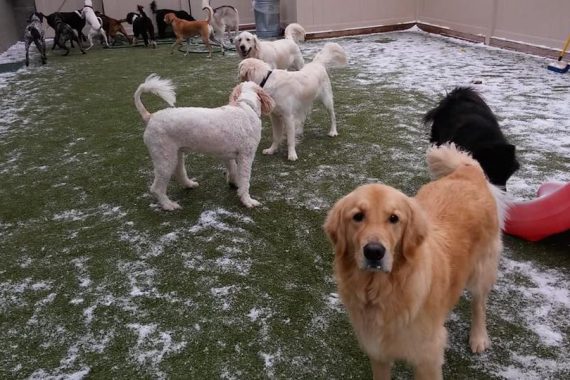
Dog Daycare and Boarding Near Me: One Solution for Busy Pet Parents
Searching for reliable dog daycare and boarding near me We offer safe supervised daycare and comfortable overnight boarding so your pet stays happy healthy and