
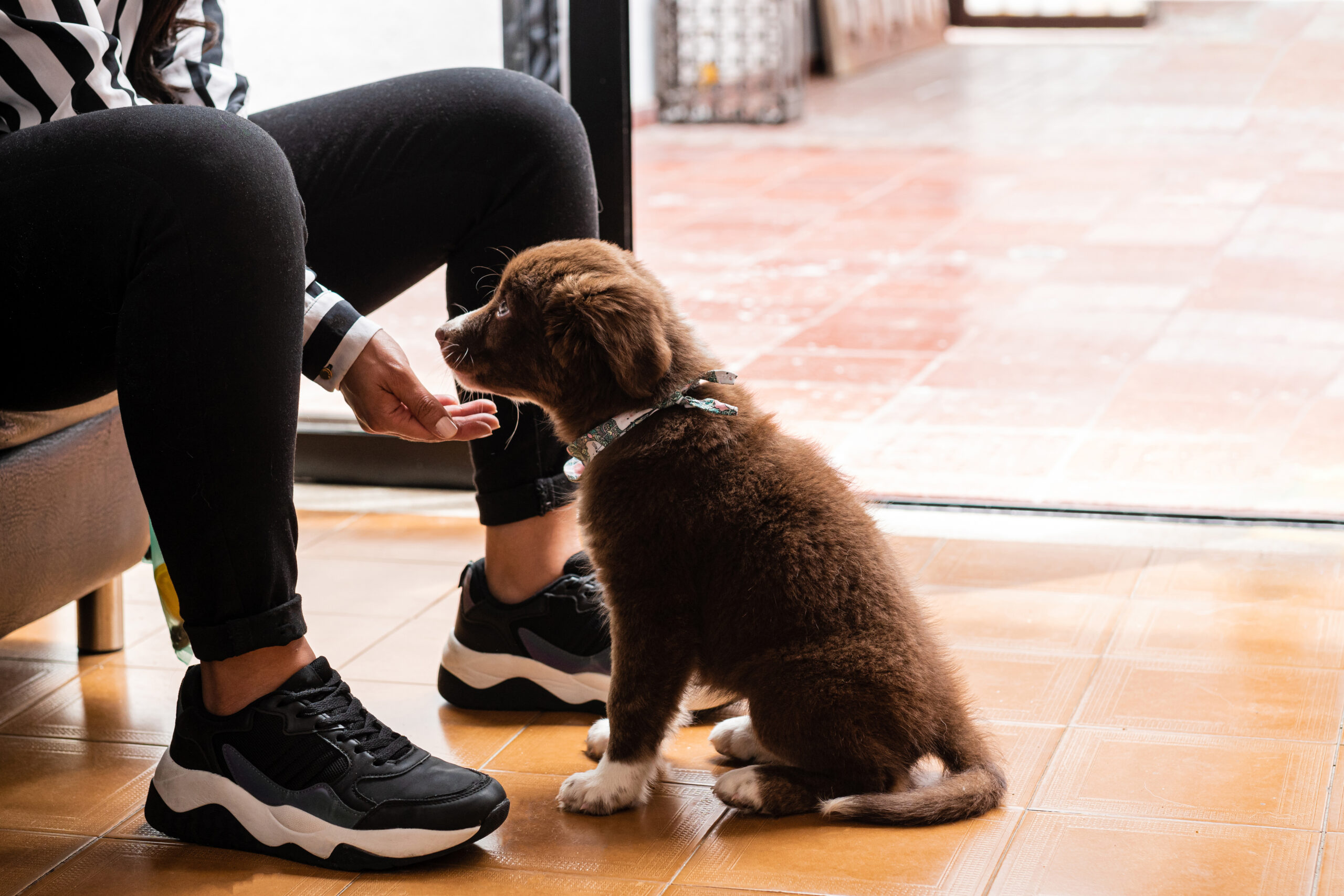
Bringing home a puppy is pure joy, with tiny paws, wagging tails, and those big, curious eyes.
But if you’ve ever tried to stop a pup from chewing your shoes while sprinting across the living room, you already know: cuteness isn’t enough.
That’s where puppy basic obedience training comes in.
Done right, it helps your pup grow into a well-mannered, confident dog who’s a joy to live with, whether you’re at home, at the park, or walking down a busy street.
In this guide, we’ll walk you through the step-by-step process of building those good habits from day one.
Why Puppy Basic Obedience Training Matters
It’s not just about “sit” and “stay.” Early obedience training:
- Builds trust between you and your dog
- Teaches essential life skills
- Prevents problem behaviors before they start
- Keeps your pup safe in real-world situations
- Makes daily life (and vet visits) way easier
And here’s the truth: training is much easier when you start young. Puppies are naturally curious and eager to learn; you just need to channel that energy in the right direction.

Step 1: Set the Rules from Day One
Before you teach commands, decide on your household rules. Is your pup allowed on the couch? Where should they sleep? Can they jump on guests?
Consistency is everything; if one family member says “yes” and another says “no,” your puppy will be confused and training will stall.
Pro Tip: Write down the rules and make sure everyone in the household follows them.
Step 2: Create a Positive Learning Environment
Dogs learn best when they feel safe and relaxed. Keep sessions short, upbeat, and reward-based.
Your training toolkit:
- High-value treats (tiny, soft, and irresistible)
- A clicker or verbal marker like “Yes!”
- Patience (lots of it)
- A distraction-free space to start
Step 3: Teach the Core Puppy Basic Obedience Commands
Here’s your starter list of must-know commands and how to introduce them:
| Command | Purpose | Quick How-To |
| Sit | Foundation for manners | Hold a treat above the pup’s nose, move it back, and reward when the bottom hits the ground |
| Stay | Impulse control | Ask for “Sit,” step back, reward when they stay put |
| Come | Safety recall | Call their name + “Come” in a happy tone, reward heavily |
| Leave it | Prevents unsafe chewing/eating | Show treat in hand, close fist, reward when they back away |
| Down | Calm position | Lure from sitting to lying down with a treat |
Start with one command at a time, practicing for 3–5 minutes per session, 2–3 times daily.
Step 4: Socialization Goes Hand in Hand with Training
Obedience and socialization are a package deal. Your puppy should learn to respond to commands around people, other dogs, and new environments.
Expose them gradually to:
- Different surfaces (grass, gravel, tile)
- Sounds (doorbell, traffic, vacuum)
- People of all ages and appearances
- Calm, vaccinated dogs
Bonus: Socialization helps prevent fear-based behaviors later.
Step 5: Address Common Puppy Training Challenges
House Training:
Take them out often, after meals, naps, and play. Praise them the second they go outside.
Biting & Chewing:
Redirect to toys, avoid rough play that encourages biting hands.
Pulling on Leash:
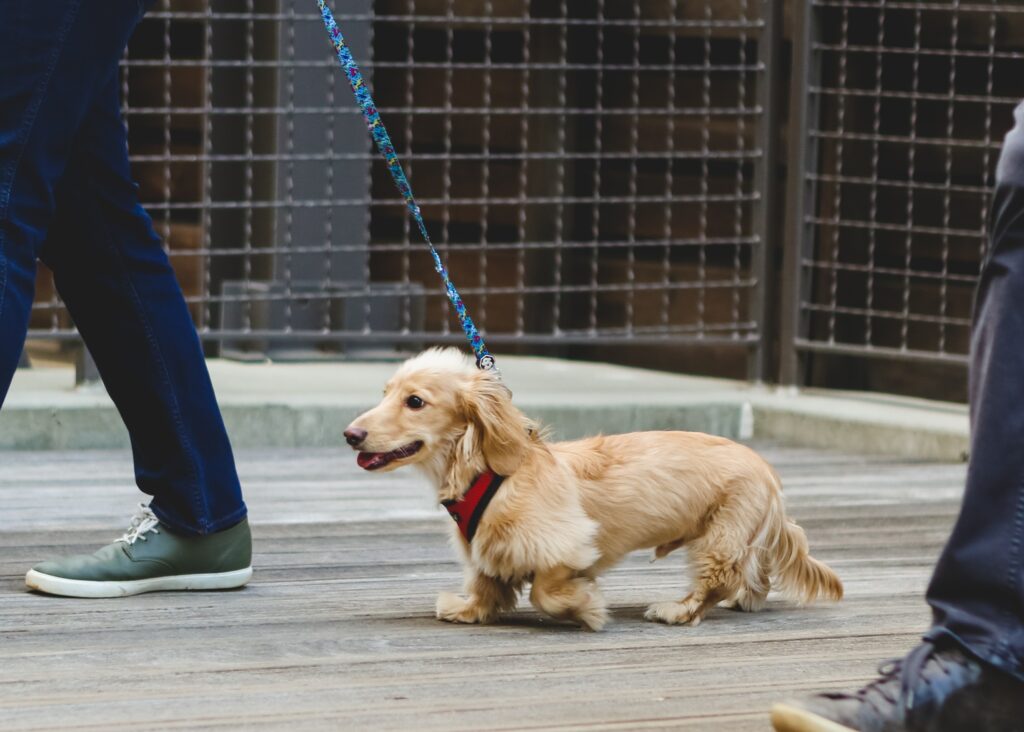
Teach loose-leash walking early. Stop moving when they pull, reward when the leash slackens.
Step 6: Be Consistent, Patient, and Fun
Puppies don’t learn perfect behavior overnight. Keep your tone upbeat, celebrate small wins, and remember, training should feel like a game to your dog.
If you hit a wall, don’t get frustrated. Break the task into smaller steps or get professional help before bad habits stick.
When to Get Professional Puppy Training Help
Sometimes, you need a little backup, especially if your pup shows signs of:
- Extreme fear or anxiety
- Aggression toward people or other dogs
- Persistent potty training struggles
- Difficulty focusing even in calm settings
That’s where we come in at PetU. Our trainers specialize in puppy basic obedience and can tailor sessions to your dog’s learning style. Whether you want group classes, day training, or one-on-one sessions, we make sure training is both effective and enjoyable.
Explore our Mequon, Milwaukee, and Racine locations.
Quick Puppy Training Timeline
| Age | Focus Skills |
| 8–12 weeks | Name recognition, sit, come, potty training |
| 3–4 months | Stay, leash manners, gentle socialization |
| 5–6 months | Leave it, down, polite greetings |
| 6+ months | Advanced recall, distractions, public manners |
FAQs About Puppy Basic Obedience
Q: How long are training sessions?
A: Keep them short, 3–5 minutes for young puppies, building up as their focus improves.
Q: What if my puppy doesn’t seem interested in treats?
A: Try higher-value rewards like tiny bits of cooked chicken or cheese, or use a favorite toy.
Q: Can older dogs still learn basic obedience?
A: Absolutely. It may take more patience, but dogs of any age can benefit from training.
Thoughts On Puppy Basic Obedience
Puppy basic obedience training isn’t just about teaching commands; it’s about building a lifelong bond. With consistency, patience, and the right guidance, you’ll raise a confident, well-mannered dog who’s a joy to be around.
If you’re ready to get started (or need a little help along the way), contact us today, and let’s make those puppy days a little less chaotic and a lot more fun.
Aggressive Dog Training: What Actually Works (And What to Avoid)
Searching for a trusted doggy daycare near me Give your pet a fun safe and caring environment with supervised playtime socialization and proper care throughout
Dog Training Near Me: What Local Trainers Should Really Offer Your Dog
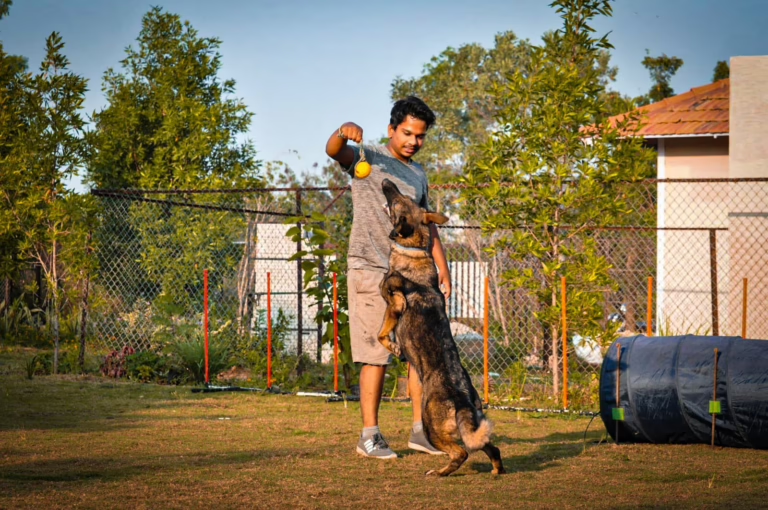
Searching for dog training near me Our expert trainers provide personalized obedience training puppy training and behavior correction programs to help your dog become well

Dog Daycare and Boarding Near Me: One Solution for Busy Pet Parents
Searching for reliable dog daycare and boarding near me We offer safe supervised daycare and comfortable overnight boarding so your pet stays happy healthy and