

Bringing home a puppy is exciting, but it also comes with challenges. From chewing shoes to jumping on guests, those cute habits can quickly become lifelong struggles if they’re not guided early.
That’s where puppy basic obedience comes in. Teaching your dog essential skills from the start builds a foundation for good manners, safety, and confidence that lasts for years.
What Is Puppy Basic Obedience?
Puppy basic obedience refers to the core skills and behaviors every puppy should learn in their first months. These include:
- Responding to their name
- Sit, stay, come, and down
- Loose-leash walking
- House training and crate training
- “Leave it” or “drop it” for safety
The American Kennel Club emphasizes that these commands aren’t just tricks—they’re essential for building a safe, happy relationship with your pup.
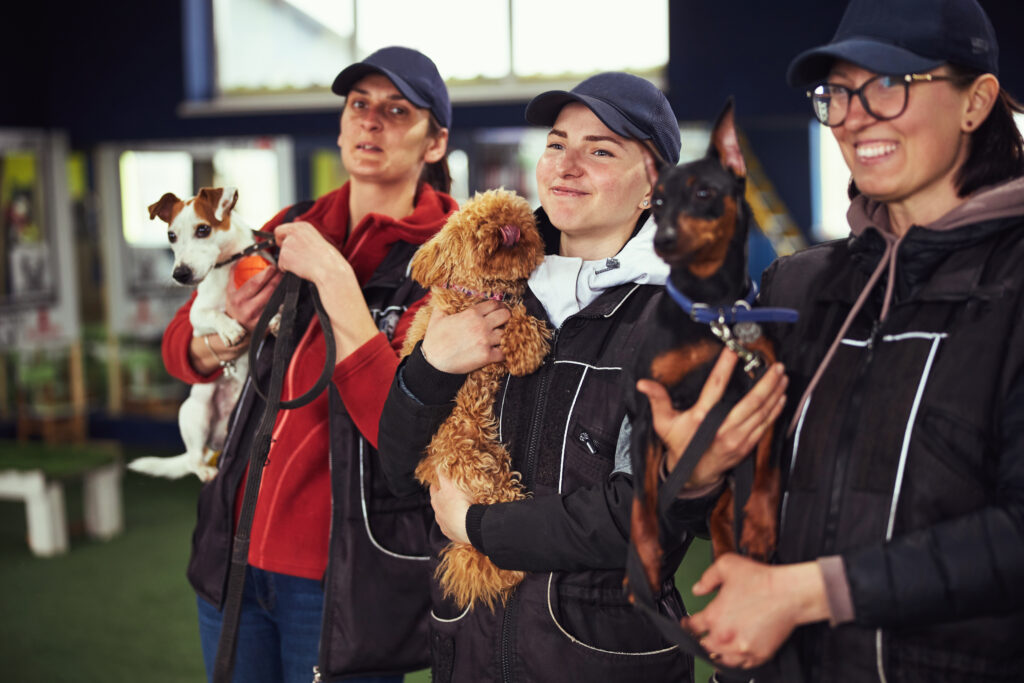
For families, programs like those at PetU Milwaukee and PetU Mequon focus on introducing these foundational skills in age-appropriate, positive ways.
Why Start Obedience Early?
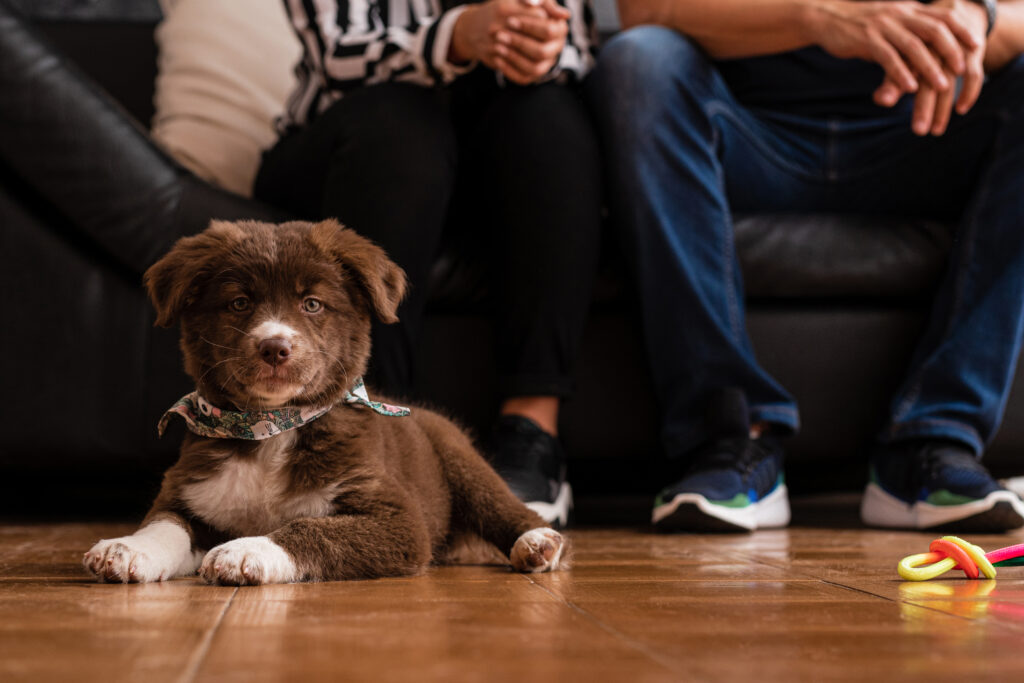
Puppies go through a critical learning phase between 8 and 16 weeks. During this window, they’re especially open to new experiences. Early training helps:
- Prevent bad habits like nipping, barking, or pulling on the leash
- Build confidence in new situations and environments
- Strengthen your bond through communication and trust
- Improve safety by teaching recall and impulse control
According to the ASPCA’s puppy training tips, dogs trained early are less likely to develop anxiety or aggression later in life.
Step-by-Step Puppy Training Approach
- Set Consistent Rules
Decide from day one what’s allowed and what isn’t. Inconsistency confuses your puppy. - Introduce Core Commands
Begin with “sit,” “stay,” and “come.” These commands are practical for everyday life. - Keep Training Fun and Short
Sessions of 3–5 minutes a few times a day are perfect for young pups. - Pair Training With Socialization
Safe exposure to new sounds, people, and dogs builds confidence alongside obedience. - Reward, Don’t Punish
Positive reinforcement—whether treats, toys, or affection—encourages learning far better than corrections.
If you’re unsure where to begin, many local families find support through structured programs like PetU’s fast-effective training options.
Puppy Basic Obedience Timeline
| Puppy Age | Key Focus Skills |
| 8–12 weeks | Name recognition, crate training, sit, and come |
| 3–4 months | Stay, leash manners, polite greetings |
| 5–6 months | Leave it, down, impulse control |
| 6+ months | Recall in distracting environments, calm public behavior |
Need a detailed guide on puppy development? Check out the AKC Puppy Timeline.
Mistakes to Avoid in Puppy Training
Many new owners accidentally make training harder by:
- Starting too late
- Being inconsistent with the rules
- Relying on punishment instead of guidance
- Overloading the puppy with long sessions
- Forgetting to socialize
Keeping sessions structured and realistic is often easier with professional guidance. Local options, like PetU Racine, balance obedience training with safe socialization opportunities.
Long-Term Benefits of Puppy Basic Obedience
Investing in obedience training early has lasting payoffs:
- Polite greetings for guests
- Calm leash walking
- A safer dog who listens near traffic or distractions
- Stronger confidence in public settings
- Less frustration at home
For many families, those first few months determine whether they have years of peace or years of correcting bad habits.
FAQs About Puppy Basic Obedience
Q: What’s the best age to start training?
A: Around 8 weeks, as soon as your puppy comes home.
Q: How long does it take to see results?
A: Simple commands can be clicked within a week, but consistency is key.
Q: Can older dogs still learn obedience?
A: Yes, training is possible at any age, though habits are easier to form early.
Q: How do I keep my puppy motivated?
A: Rotate rewards, sometimes treats, sometimes playtime, sometimes affection.
Starting puppy basic obedience training early lays the groundwork for a calmer, more enjoyable life with your dog. It’s not about perfection; it’s about building habits that keep your pup safe, happy, and connected to you.
With patience, consistency, and the right resources, your puppy can grow into a well-mannered companion you’re proud to take anywhere.
Obedience training is easier with the right support. Connect with PetU when you’re ready.

Aggressive Dog Training: What Actually Works (And What to Avoid)
Searching for a trusted doggy daycare near me Give your pet a fun safe and caring environment with supervised playtime socialization and proper care throughout
Dog Training Near Me: What Local Trainers Should Really Offer Your Dog
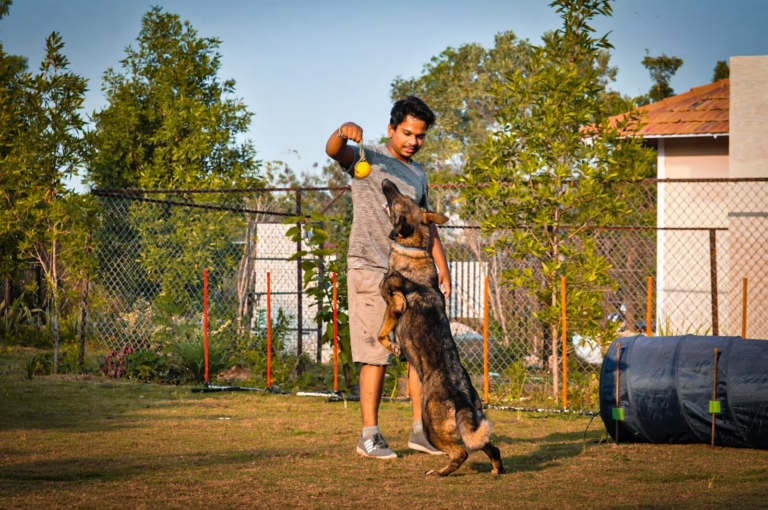
Searching for dog training near me Our expert trainers provide personalized obedience training puppy training and behavior correction programs to help your dog become well

Dog Daycare and Boarding Near Me: One Solution for Busy Pet Parents
Searching for reliable dog daycare and boarding near me We offer safe supervised daycare and comfortable overnight boarding so your pet stays happy healthy and