
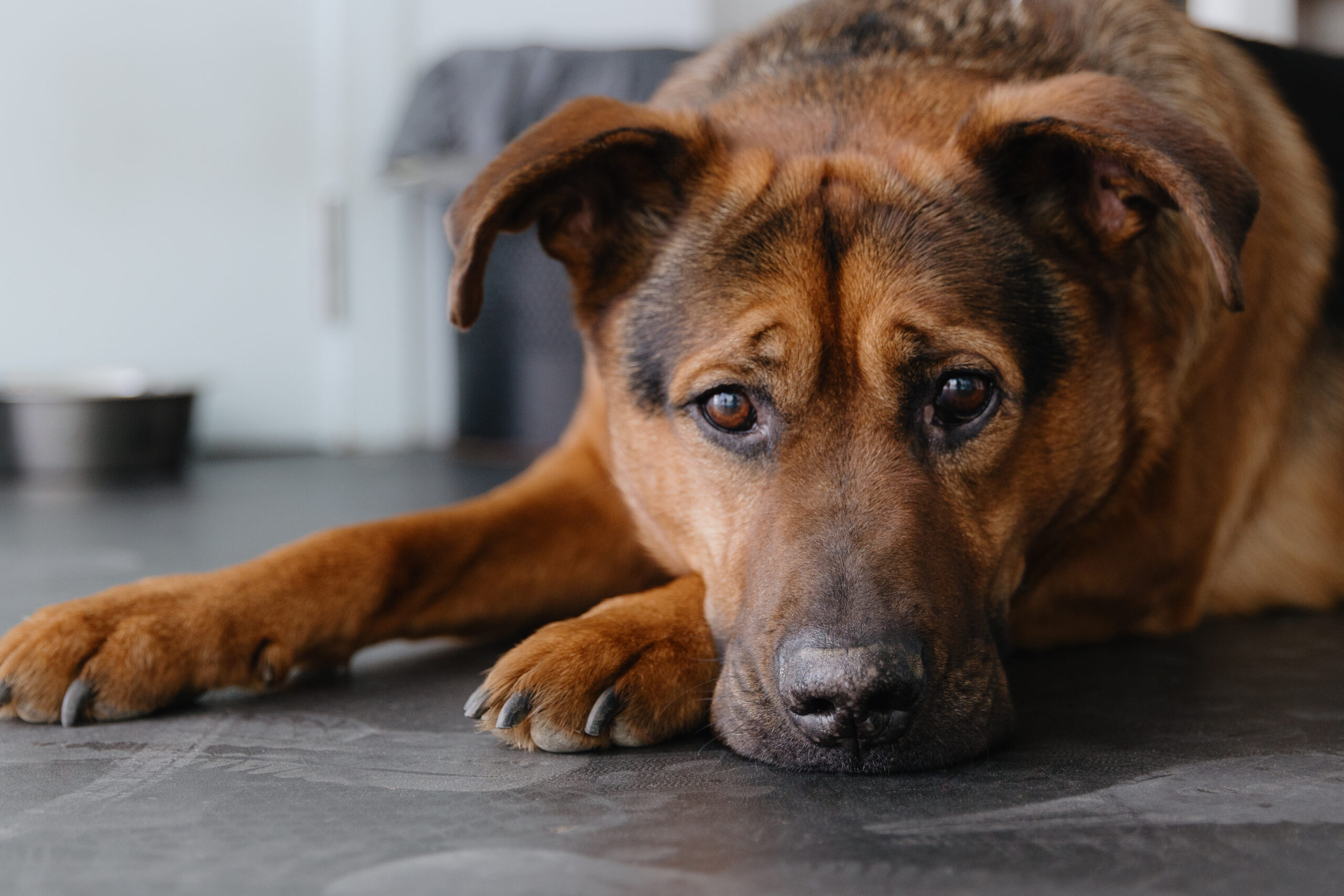
If your dog cries the moment you pick up your keys, chews through furniture while you’re gone, or greets you like you’ve been gone for a year after just five minutes away, you’re not alone. These are common signs of separation anxiety.
Separation anxiety is tough for dogs and stressful for families. The good news? With the right approach, dogs can learn to stay calm and confident when left alone. But here’s the big question: is dog separation anxiety training better done at home, or do professional classes work best?
Let’s break it down.
What Exactly Is Dog Separation Anxiety Training?
Dog separation anxiety training is the process of helping dogs learn independence. Instead of panicking when their humans leave, trained dogs build coping skills that help them feel safe and secure.
Training usually includes:
- Gradual desensitization (leaving in small increments and building up)
- Counterconditioning (pairing alone time with treats or puzzles)
- Establishing safe spaces (crates, pens, or cozy rooms)
- Predictable routines (meals, walks, departures at consistent times)
- Confidence-building exercises to reduce fear overall
The ASPCA stresses that separation anxiety isn’t “naughtiness,” it’s fear. Training is about rewiring that emotional response.

What Are the Dog Separation Anxiety Symptoms?
Dogs can’t tell us they’re anxious, but their behavior makes it clear. Recognizing the symptoms is the first step toward effective dog separation anxiety training.
Common symptoms include:
- Excessive vocalization – nonstop barking, whining, or howling after you leave
- Destructive behavior – chewing furniture, scratching doors, digging at windows
- House soiling – accidents indoors even if they’re normally house-trained
- Restlessness – pacing, panting, or drooling when left alone
- Escape attempts – trying to break out of crates, rooms, or even the house (sometimes injuring themselves)
- Over-the-top greetings – frantic jumping, crying, or clinging when you return
The American Kennel Club notes that these behaviors aren’t about disobedience, they’re signs of fear and distress.
If your dog shows two or more of these behaviors consistently, it’s time to consider structured separation anxiety training.
Can Dog Separation Anxiety Training Be Done at Home?
Yes, and many families start here. Training at home is often the first step in teaching dogs to relax.
At-home techniques include:
- Short departures: Step outside for 30 seconds and return without fuss. Gradually increase the time.
- Enrichment activities: Use puzzle feeders, frozen Kongs, or chew toys when you leave.
- Neutral greetings: Keep departures and arrivals calm to avoid emotional spikes.
- Safe zones: Create a comfortable space (crate, playpen, or bedroom) where your dog feels secure.
- Background comfort: Soft music or white noise can mask outside triggers.
Benefits of at-home training:
- Convenient, you can start today.
- Cost-effective, no extra expense.
- Builds everyday habits in your dog’s natural environment.
Limitations:
- Easy to progress too quickly and cause setbacks.
- Consistency can be hard with busy family schedules.
- Some dogs need more than DIY solutions to improve
What Do Professional Separation Anxiety Classes Offer?
Professional training adds expertise, structure, and accountability that are hard to achieve alone. At PetU, our trainers in Mequon, Milwaukee, and Racine use positive, science-based methods to reduce stress and build independence.
Advantages of professional classes:
- Expert assessment: Trainers identify triggers you might not notice (like jingling keys or putting on shoes).
- Structured plans: Step-by-step guidance helps you avoid rushing the process.
- Controlled environment: Dogs practice with mild stressors in a safe space.
- Tailored techniques: Adjusted for rescues, puppies, or dogs with severe anxiety.
- Faster progress: Professional consistency helps dogs learn more quickly.
For families needing a bigger reset, PetU also offers Board & Train programs, where dogs stay with trainers for immersive daily practice while owners stay connected with weekly updates.

Which Approach Works Best: At Home or Professional?
The truth is, both have value, but the right choice depends on your dog’s needs.
| Approach | Best For | Strengths | Limitations |
| At-Home Training | Mild cases, puppies, families with time to practice | Flexible, free, builds daily habits | Slow progress, easy to make mistakes |
| Professional Classes | Moderate to severe anxiety, rescues, and busy households | Expert guidance, tailored plans, faster results | Higher cost, requires scheduling |
For many families, the best option is a combination: get professional guidance from PetU to set the plan, then practice daily at home for lasting results.
What Skills Does Dog Separation Anxiety Training Teach?
Training isn’t just about being “quiet when alone.” Dogs learn:
- To settle calmly in their crate or safe zone
- To associate departures with positive experiences
- Patience and impulse control
- Confidence in new environments
- Coping strategies that make everyday life easier
These skills carry over into other areas—like vet visits, car rides, or adjusting to new places.
What Outcomes Can You Expect From Training?
With consistent effort, most owners notice:
- Less barking, whining, or howling when left alone
- Reduced destruction (no more chewed doors or shredded pillows)
- Dogs resting or playing calmly while the family is gone
- Fewer accidents indoors
- A calmer, more confident pup overall
Mild cases may show progress in just a few weeks, while moderate to severe anxiety may take a few months. The outcome is always worth it, a dog who feels secure and a family who can leave home without guilt.
Can Separation Anxiety Be Prevented?
Yes, especially in puppies and young dogs. Prevention is easier than fixing the problem later.
Prevention tips:
- Leave puppies alone for short periods early on, gradually increasing time.
- Encourage independence (reward calm behavior when they’re on their own).
- Avoid dramatic exits and entrances.
- Provide consistent routines.
- Enroll in puppy training or socialization classes that build confidence from the start.
FAQs About Dog Separation Anxiety Training
Q: Can older dogs be trained for separation anxiety?
A: Yes. Training works for all ages, though older dogs may take longer to adjust.
Q: Is crate training good for anxious dogs?
A: Yes, if introduced gently. A crate can become a safe den, not a prison.
Q: How long does it take to see results?
A: Mild cases may improve in 4–6 weeks, while moderate to severe anxiety can take several months of consistent practice.
So, is dog separation anxiety training at home or in professional classes the better choice? The answer depends on your dog’s needs. At-home training works for mild anxiety, but professional support often speeds up progress and prevents setbacks.
At PetU, we help families in Mequon, Milwaukee, and Racine create calmer, happier dogs through our training programs. Whether you start small at home or dive into a professional program, the important thing is to start. Your dog (and your furniture) will thank you.
Explore our training services or contact us today to find the right solution for your family.